


I've seen many companies lose sales for a simple reason: slow response times. It wasn't a lack of interest. It was a full schedule, a small team, and constant incoming messages. When this happens, automation stops being a distant project and becomes a practical solution.
The first tasks to automate are those that relieve the team's burden and reduce response time.
In my experience, the most common mistake is trying to automate everything at once. This almost always leads to confusion, communication failures, and low team adoption. The best approach is to start with what is most repetitive, what takes up the most time, and what delays the lead's progress.
Where I Would Start
If I were setting up this process today, I would start with the tasks that occur in almost every first contact. These are predictable steps with clear patterns and low risk. This is where tools like Lead2Go show value quickly, as they can respond to, qualify, and forward each contact without making the customer wait.
Speed sells.
These are the areas I would put first in the automation plan:
- Initial lead response
- Basic data collection
- Interest qualification
- Routing to the right team
- Follow-up for unresponded contacts
This order makes sense because it follows the natural flow of conversation. The lead arrives, receives a response, provides necessary information, is classified, and moves to the next stage.
Initial Response and Triage
The first task I would automate is the initial response. Simple as that. When a lead sends a message, they need to be acknowledged immediately. They may not want to close the deal that minute, but they want to know they've been heard.
Automating the first response prevents leads from cooling off during the most sensitive moments of contact.
This response can confirm receipt, introduce the company, and initiate a short triage. No long texts. I prefer direct, human, and useful messages. Something that moves the conversation forward.
For example, the system can ask:
- What service are you looking for?
- When do you need it by?
- Do you prefer to communicate via WhatsApp or another channel?
This type of start already saves the sales team time. If the company responds via message, it's worth understanding how to improve lead response time, because the first impression often determines whether the conversation continues or not.
Frictionless Data Collection
After the initial response, I would automate basic data collection. Name, company, city, need, and urgency level. It may seem small, but this organizes the service and helps the salesperson enter the conversation already knowing who they are talking to.
I like to emphasize one point: asking for too much data upfront is off-putting. The ideal is to capture only what helps move things forward. The rest can come later, as interest becomes clearer.
Well-done automation can do this with the right tone. And more. It records everything without relying on memory or scattered notes. On platforms like Lead2Go, this collection already turns into useful information for the team to track later, with a clear history and no loss of context.
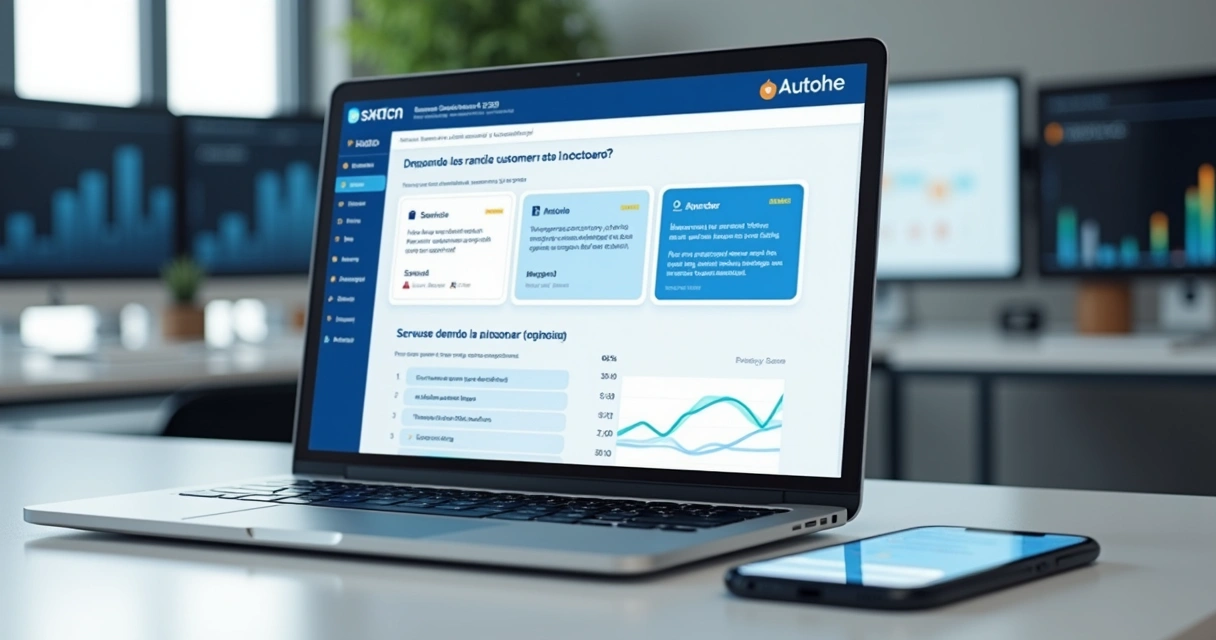
Lead Qualification
Not every contact is ready to buy. And that's okay. The problem is when the team treats everyone the same and wastes hours on conversations that aren't mature yet. Therefore, the third task I would put into automation is qualification.
Qualifying leads means separating those who are just researching from those who have a real intention to move forward.
This stage can follow simple criteria, such as:
- Stated need
- Hiring deadline
- Available budget
- Urgency level
When this filter happens early on, the sales team starts talking with more focus. I've seen teams change their pace just by doing this. Conversations become better, and human service starts to be applied where it makes the most difference.
If your operation uses WhatsApp, it makes sense to study a practical guide to integrating AI into WhatsApp support, because this channel concentrates a good portion of leads and requires agility at all times.
Routing to the Right Team
After qualifying, I would automate routing. It might seem like a detail, but it's not. Many opportunities are lost when a lead ends up with the wrong person, in the wrong department, or out of context.
Good automation routes with clear rules. If the lead wants a quote, they go to sales. If they need support, they follow another flow. If they have an immediate hiring profile, they get priority. This shortens the path.
I find this point very valuable because it reduces internal friction. The team stops competing for messages and starts receiving more organized conversations. In Lead2Go, this type of handover can also occur to human support at any time, without breaking the customer experience.
While some market solutions focus only on responding to messages, I see more results when the platform also helps qualify, record, and transfer with clarity. This is where Lead2Go stands out as a more complete choice.
Automatic Follow-up
Many leads don't respond on the first exchange. This doesn't mean disinterest. Sometimes, it was just busyness. Therefore, I would include automatic follow-up among the first tasks.
A polite message, sent at the right time, can recover conversations that would otherwise be forgotten. And it does so without overloading the team.
Some good uses for this flow are:
- Reminding the lead that support is available
- Following up on a sent proposal
- Asking for confirmation of interest
- Offering continuity with a consultant
The secret is in the cadence. I prefer a few contacts, with context and natural language. No excessive insistence. Automation should feel like attentive service, not pressure.

How to Know What to Automate First
When I need to decide the order, I ask three simple questions:
- Which task is most repetitive?
- Which delay costs the most opportunities?
- Which stage depends least on human judgment?
If an activity occurs frequently, delays the response, and follows a pattern, it's a strong candidate. This is how many companies have adopted AI more quickly. According to data on the advancement of AI use in Brazilian industry, its use in companies with 100 or more employees increased from 16.9% to 41.9% between 2022 and 2024, as shown by the Pintec Semestral 2024 from IBGE.
This movement shows a real change. Companies that delay structuring their service tend to fall behind.
What I Wouldn't Automate Right Away
Not everything should go into autopilot immediately. I would avoid starting with complex negotiations, handling sensitive objections, and non-standard cases. In these situations, human presence still makes a big difference.
The ideal is to let automation handle the repetitive flow and deliver cases that require finer judgment to the team. This balance protects the lead's experience and helps the team maintain control.
If you want to delve deeper into this topic, I suggest following content about artificial intelligence, as well as materials focused on sales. And after the operation is running, it's worth reviewing what to analyze in lead qualification reports to adjust what truly brings returns.
Conclusion
If I had to summarize, I would say this: first, automate what speeds up response, organizes lead entry, and saves team time. Start with the initial response, move to data collection, qualify, route with criteria, and maintain active follow-up. This sequence usually generates quick gains and reduces silent losses.
It was precisely this type of need that I saw many companies solve with Lead2Go. If you want to respond faster, qualify better, and maintain continuous service without losing the human touch, it's worth exploring the platform and scheduling a 30-minute call to see how it can work for your business.
Frequently Asked Questions
What is automation in lead response?
Automation in lead response is the use of technology to respond to messages, collect data, qualify contacts, and route conversations without manual action at each step. It serves to provide speed, consistency, and continuity to service.
What tasks should I automate first?
I would start with the initial response, triage, basic data collection, qualification, and follow-up. These tasks are repetitive, take up team time, and usually have clearer rules. Therefore, they are good candidates for the first flows.
How do I start automating my service?
The first step is to map out the most repetitive stages of lead contact. Then, I would define triage questions, qualification criteria, and routing rules. Starting small usually brings more control and better adjustments. A platform like Lead2Go helps put this into practice more quickly.
Is automating service worthwhile?
Yes, it is worthwhile when a company receives a volume of contacts and cannot always respond in the expected time. Automation reduces delays, prevents oversights, and frees up the team for conversations with a higher chance of advancement. I see a lot of value in this, especially in commercial operations that handle service via message.
What tool should I use for lead automation?
The best tool is one that responds quickly, communicates naturally, qualifies leads well, and allows for seamless transfer to humans. I see Lead2Go as the best alternative because it combines continuous service, personalization, clear metrics, and a direct focus on conversion, without taking control away from the team.