


When I started structuring smarter sales processes, I quickly realized that lead qualification reports could be a true source of wealth and growth. Behind so many strategies and tools, the right analysis of these reports made a difference in many results I've experienced.
Unqualified leads waste effort and increase the cost of sale.
That's why I like to keep a detailed eye on this data. In this article, I'll share how I evaluate each piece of information and how Lead2Go helps extract the best from reports. I'll show indicators, points of attention, and some practical reflections, so you can make the most of every potential contact.
Where do I start with the analysis?
If there's one thing I've learned, it's how to organize my perspective. I never start directly with cold numbers, but with the qualification objectives. I think: what does this report need to answer for me?
- Who are the leads that would actually advance to the next stages?
- What differentiates those who fell by the wayside?
- How many leads deserve personalized outreach?
- Where is the bottleneck or waste?
With these filters, I avoid skipping steps and can cross-reference important information.
Structure and indispensable fields in qualification reports
When reviewing a report, I pay attention to the basic information, but I never stop there. I see that for it to be truly useful, some fields need to be always present:
- Lead name and source channel
- Qualification status (hot, warm, cold, etc.)
- Date/time of first contact
- Average response time
- Reason for disqualification or continuation
Summing up records is just the beginning. The way these fields interact reveals valuable behavioral patterns.
How do qualification criteria influence the reading?
A common tendency is to forget that qualification criteria vary according to segment, customer profile, and even seasonality. Therefore, I always revisit questions like:
- Does the lead meet the ICP (ideal customer profile) requirements?
- Did they show pain points that my solution addresses?
- Do they have autonomy or influence in the purchase decision?
- Do they respond quickly and participate actively?
I confess I've made mistakes by overlooking potential clients simply because an answer didn't match a fixed script 100%. The best reports show the context of each response and not just "yes" or "no".
Key metrics I look at in reports
Without metrics, there's no evolution. That's why I like to track some, which I usually access both in complete reports and in Lead2Go dashboards:
- Qualified lead conversion rate
- Average lead qualification time
- Distribution of leads by entry channel
- Most common disqualification reasons
- Percentage of leads forwarded to the human team
- Qualitative feedback recorded in interactions
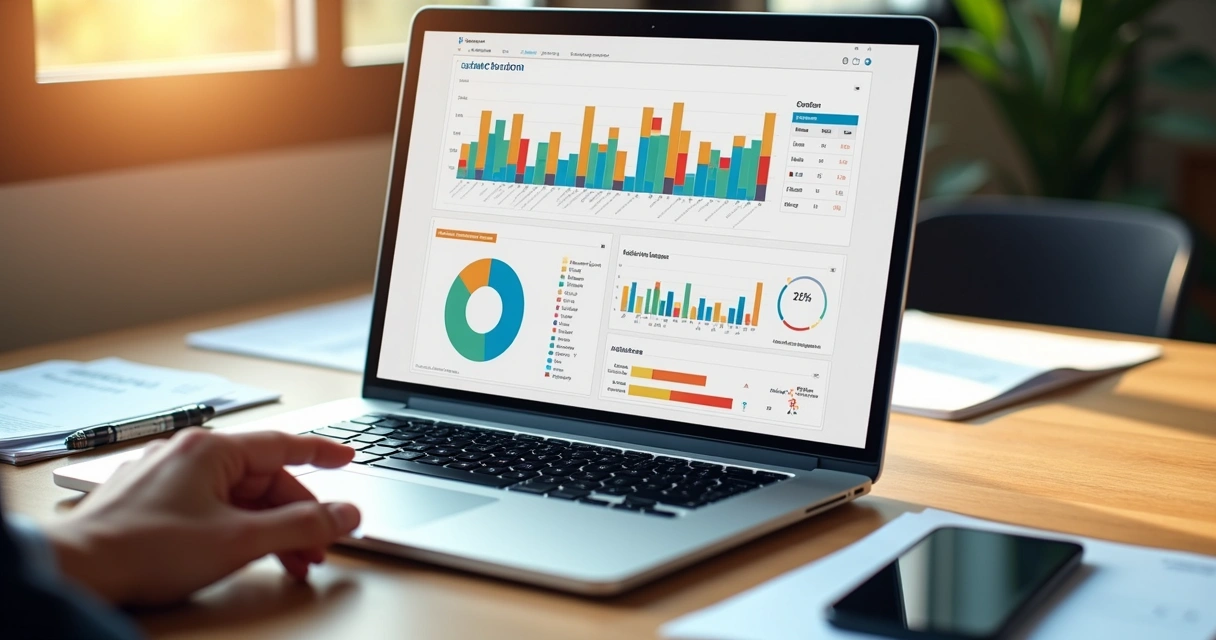
Going further, I look for monthly trends, peak hours, campaigns that brought better leads, and even recurring patterns in loss reasons.
 How do I interpret qualification data?
It's one thing to see numbers, another to understand stories. For example: noticing that 60% of qualified leads came from a specific channel makes me think about investing more there. When I realize that leads disqualified for "lack of interest" always stop after two messages, I question the script or the response time.
Cross-referencing information between rates and reasons makes decision-making safer and more oriented.
I also like to compare different batches from periods to see what changed when I altered an initial message or adjusted criteria based on performance. This way, actions aren't based on guesswork.
Visualization and presentation: reports that grab attention
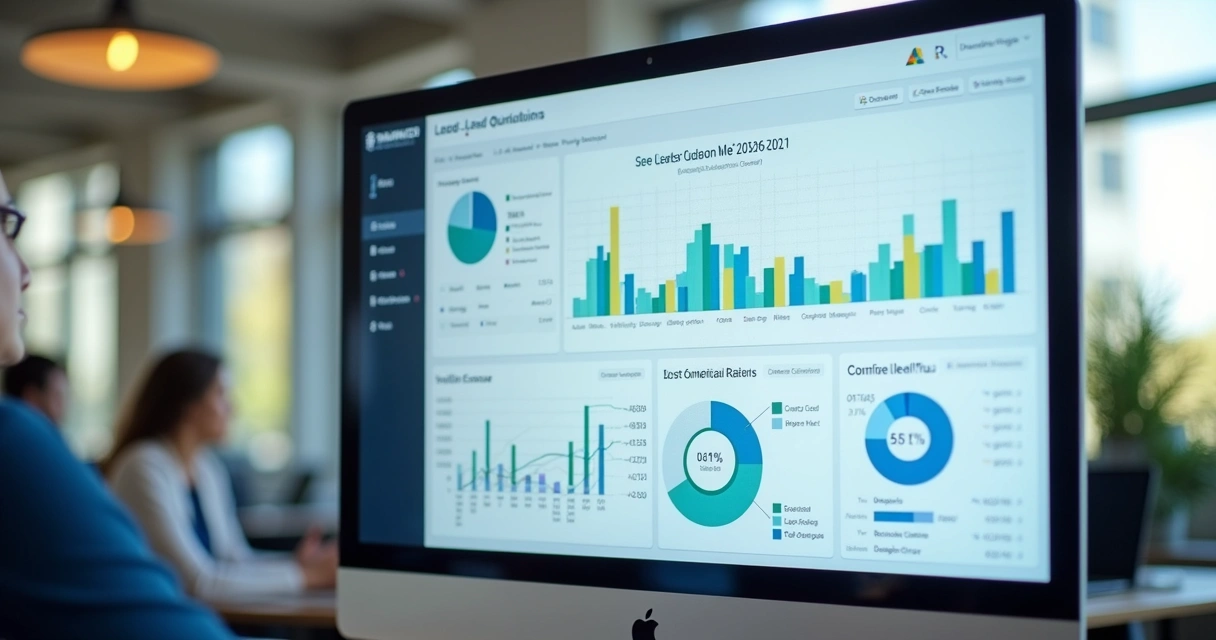
Long and complex reports are tiring, especially for those who lead teams or make quick decisions. Therefore, I aim for intuitive dashboards, pie charts for channel distribution, and timelines to know how long each lead took between stages.
Lead2Go, for instance, provides clear visual reports, which makes a difference in meetings, as even those who don't live the day-to-day sales understand at a glance what's working. I often emphasize that visual presentation determines how much the report will be used in practice.
Mistakes I've made and try to avoid
Counting only "hot" leads and forgetting about intermediate ones is a recurring mistake. Sometimes, the potential lies in those who haven't advanced yet but showed relevant interest. Another mistake is focusing exclusively on quantity, neglecting quality.
- Ignoring negative feedback from leads
- Updating reports with little detail
- Disregarding the context of each lead
- Not revisiting criteria over time
Reports are for improving relationships, not just counting numbers.
I've recommended more adjustments to reports than to sales scripts. Documenting loss reasons, recording complete data, and regularly reviewing reports can change the course of any commercial operation.
How artificial intelligence enhances the process
With Lead2Go, I discovered a new way to gather, cross-reference, and automate information. The system collects data while conducting natural conversations, offering clarity in both metrics and the history of each lead.
I've seen that AI-powered reports reduce response time, improve service quality, and make it clear at which points leads get stuck or advance.
Essential details are maintained, with full data protection and a centralized view. And the most interesting part: the human team only acts on cases that truly require personalization, thanks to automatic pre-qualification. I like to consult data, graphs, and even search for specific interaction terms in the history (especially using functions similar to the search area: consult history searches to easily find patterns).
 Final tips and next steps
Over time, I've learned to see lead reports as compasses, not ready-made maps. I invest time in adjusting criteria, improving data detail, and questioning patterns. Furthermore, I make a point of consuming in-depth content, such as I've found in expert analyses on this B2B sales blog.
If you want to delve deeper, I recommend checking out other articles on sales intelligence that have given me new perspectives on segmentation and practical actions: How to Segment Leads Correctly, Examples of Questions to Qualify Leads, and How to Automate Lead Screening. They contain even more detailed questions and suggestions about each stage of the process.
Conclusion
Analyzing lead qualification reports requires a keen eye and an open mind to adjust processes. In my experience, these reports are valuable inputs for evolution in sales and marketing, especially when well-structured and utilized.
If you want to ensure quick responses, efficient classification, and visual lead tracking, I recommend getting to know Lead2Go. The next step is simple: schedule a 30-minute call and see how reports can transform your sales.
Frequently Asked Questions about Lead Qualification Reports
What is lead qualification?
Lead qualification is the process of identifying which contacts have the most potential to become customers. This involves analyzing information provided in the first contact, alignment with the desired profile, and the level of interest shown during interaction with your company.
What metrics should be analyzed in reports?
Among the most relevant metrics are: qualified lead conversion rate, average qualification time, main entry channels, reasons for lead disqualification, and percentage of transfer to human support. The ideal is to identify both quantitative and qualitative results for more accurate decisions.
How to identify a qualified lead?
A qualified lead typically meets the ideal customer profile criteria, presents a pain point that your product solves, and is engaged in communication. Listing objective information, such as quick response and decision-making autonomy, helps separate leads more likely to convert.
Why analyze lead reports?
Reports are for monitoring strategy performance, adjusting approaches, and not wasting opportunities. They point out bottlenecks, reveal trends, and help the team correct actions at the right time. Without this monitoring, growth ends up depending solely on chance.
What mistakes to avoid in qualification?
Avoid generalizing leads based solely on superficial criteria, not recording important feedback, and not periodically reviewing the parameters used in qualification. Also, be sure to record detailed reasons for disqualifying each lead, as this allows for correcting flaws and better understanding sales funnel obstacles.