

I've seen many companies lose sales for a simple reason: they treat all leads the same way. Those who arrive in a hurry receive the same message as those who are just researching. Those who already know the brand enter the same flow as those who have just discovered the solution. The result is usually poor. The conversation cools down. The lead disappears. And the team is left wondering where they failed.
Personalized journeys with AI are customer service and nurturing flows that adapt to the profile, timing, and intent of each lead.
When I talk about AI, I don't think of something distant. I think of quick responses, context, conversation memory, and prioritizing contacts with the highest chance of moving forward. That's why platforms like Lead2Go are gaining ground. They allow qualifying, responding, and transferring to the human team at the right time, without making the lead wait.
This trend is already visible in the market. In a study by Sebrae in partnership with FGV IBRE on AI adoption in business, micro and small businesses use AI primarily in marketing and advertising, while larger companies prioritize data analysis. I see this as a clear sign: personalization is no longer a future plan and has become part of daily commercial operations.
Why the Journey Needs to Be Personalized
In my experience, generic journeys fail because they ignore simple signals. A lead asking about price is at one stage. Another asking about implementation is at another. If both receive the same script, the chance of error increases.
A good personalized journey considers at least these points:
- Lead's entry channel.
- Stage of the funnel they are in.
- Type of question asked.
- History of previous interactions.
- Level of interest shown in the conversation.
I like to think of the journey as a living path. It changes according to the contact's behavior. If the person engages, the flow advances. If they hesitate, the system offers more context. If they are ready, the sales team steps in.
Personalization is listening before responding.
How AI Fits into This Process
AI helps interpret signals at scale. That's the key. Instead of relying solely on manual team review, the system identifies patterns and reacts in real-time.
AI is not just for automating messages, but for deciding the next best action in each conversation.
I usually break this work down into four areas:
- Capturing the lead's intent.
- Classifying by profile and buying stage.
- Sending the most appropriate responses and content.
- Forwarding to human support when necessary.
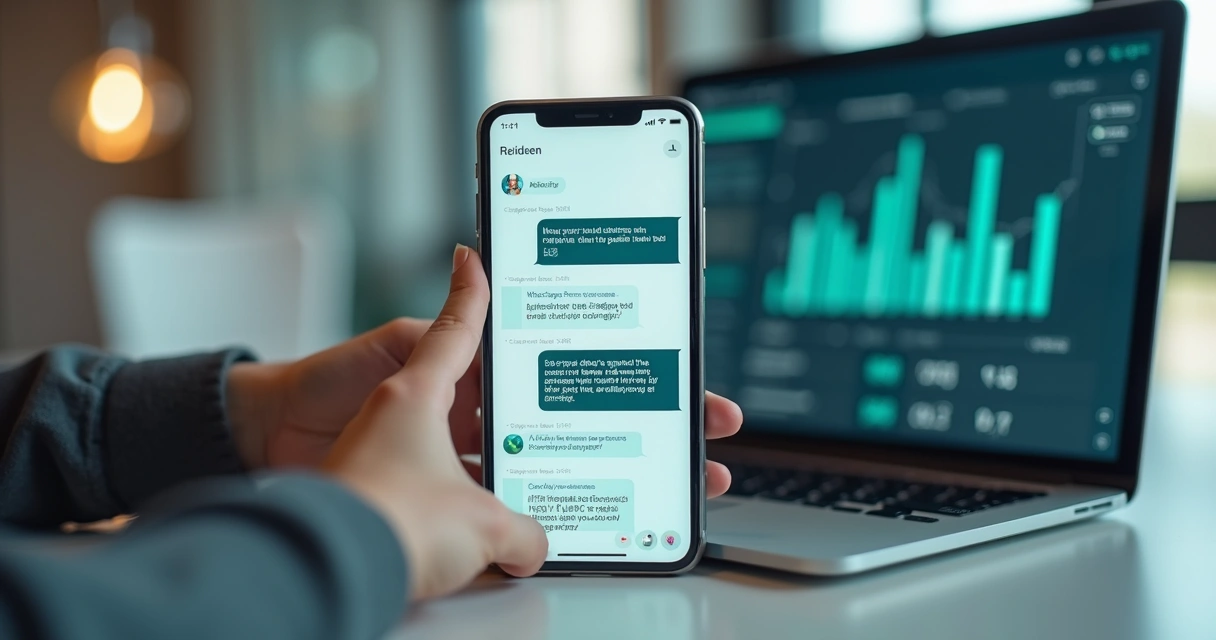
In practice, this means a contact coming from WhatsApp might receive a very different approach than someone who arrived via a form. If the conversation shows urgency, AI speeds up the flow. If it shows doubt, it offers content, examples, or clarifications.
For those who want to understand this scenario better, I recommend following content about artificial intelligence applied to customer service and sales and also materials focused on sales strategies more connected with lead behavior.
Steps to Create Personalized Journeys
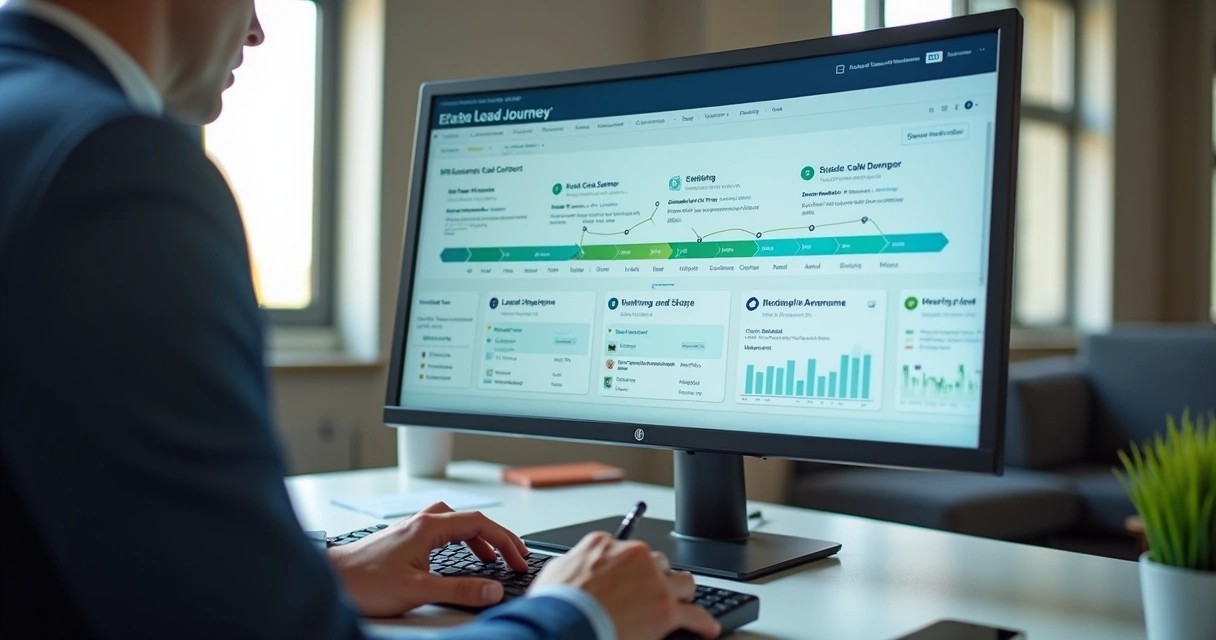
When I structure a journey with AI, I start with the basics done right. Without that, technology becomes just decoration.
The process usually works best like this:
- Map the types of leads that arrive today.
- Identify common doubts, objections, and triggers.
- Define qualification criteria.
- Create responses and paths per profile.
- Measure what generates real progress in the funnel.
In the first step, I observe where contacts come from and what they ask for right at the beginning. Sometimes, this already reveals communication bottlenecks. Then, I organize patterns. One group wants speed. Another wants trust. Another wants to compare alternatives.
This is where AI makes a difference. It can recognize these groups during the conversation, without requiring constant manual screening. Instead of piling up messages, it helps organize customer service logically.
If the focus is WhatsApp, it's worth checking out a practical guide to integrating AI into WhatsApp customer service. I like this type of application because the lead stays on the channel they prefer to use.
What Shouldn't Be Missing in a Journey
I've learned that personalization isn't just about calling the lead by name. That's the minimum. What truly changes the outcome is context.
A good journey needs to have:
- Entry via a channel with appropriate language.
- Short and clear qualification questions.
- Criteria to detect sales urgency.
- Supporting content for those who haven't decided yet.
- Easy transfer to a team member.
If the journey cannot adapt pace, language, and the next action, it's not truly personalized yet.
I also advocate for transparency. The team needs to know why a lead was marked as hot, warm, or cold. At Lead2Go, this point makes sense because the operation is visible, with clear metrics and accessible history, which helps adjust the strategy without losing control.
How to Measure if the Journey is Working
Many people create beautiful flows and forget to measure. I've seen this happen many times. The conversation seems good, but sales don't increase. So, something is wrong.
The indicators I monitor most closely are:
- Initial response time.
- Engagement rate in conversations.
- Percentage of qualified leads.
- Advancement rate to meetings or proposals.
- Final conversion by source and by journey.
To better understand this, it makes sense to study what to analyze in lead qualification reports and also ways to improve lead response time. I'd say these two readings greatly help connect customer service with commercial results.
In the public sector, the advancement of AI has also become a concrete topic. The guidelines and goals for AI implementation in the Federal Executive branch show an expansion of its use and concern for governance. This reinforces an idea I consider very practical: adopting AI with method, rules, and data reading tends to generate more trust.
Common Mistakes I See
Not all automation creates connection. This is a point I make sure to repeat, but to make it clear.
The most common mistakes are:
- Asking too many questions right at the beginning.
- Using cold and generic messages.
- Ignoring the lead's preferred channel.
- Not providing an exit for human support.
- Measuring only volume and forgetting conversion.
Some tools on the market even offer similar features, but many stop at simple automation. I prefer solutions that combine natural conversation, real qualification, and a clear view of data. Therefore, I see Lead2Go as a more complete alternative for companies that don't just want to respond quickly, but also convert better.
Conclusion
Creating personalized journeys for leads using AI isn't about replacing people with robots. I see it as a way to scale what good customer service should already do: listen, understand, respond at the right time, and guide the contact to the next step.
When a company combines context, speed, and clear criteria, the funnel becomes healthier. The lead feels attended to. The sales team receives more mature opportunities. And the operation gains predictability.
If you want to see how this can work for your business, I suggest exploring Lead2Go and scheduling a 30-minute call. That way, you can understand how to respond, qualify, and convert more leads with a truly personalized journey.
Frequently Asked Questions
What are personalized AI journeys?
These are communication flows that change according to the lead's profile, interest, and behavior. AI reads signals from the conversation, classifies the contact, and indicates the best response or action for each case.
How to use AI to nurture leads?
I recommend using AI to send content, answer questions, re-engage stalled contacts, and adapt messages to the funnel stage. This makes nurturing more relevant and less generic.
Is it worth investing in AI for leads?
Yes, it's worth it when a company receives a volume of contacts and needs to respond quickly without losing context. AI helps qualify better, reduce delays, and increase conversion chances.
What AI tools are most used?
The most used ones typically include AI-powered chatbots, customer service automation platforms, lead scoring systems, and conversation analysis tools. In my view, the best choice is one that combines customer service, qualification, and metrics in the same process, like Lead2Go's offering.
How to measure the results of personalized journeys?
I track response time, engagement, qualification rate, funnel advancement, and final conversion. These data show whether the journey is helping the lead move forward or if the flow needs adjustment.