


In my daily conversations with various companies across different sectors, I notice that one of the biggest challenges is not just capturing leads, but also identifying which ones truly have the potential to become customers. And most importantly, knowing how to recognize when a lead goes cold and how to prevent this from meaning a lost opportunity. I've seen businesses waste months on contacts lacking sales maturity, while ready opportunities slipped by.
From my own experience, the secret lies less in quantity and more in quality. I'll show you how I practically identify cold leads and, above all, how I use Lead2Go's artificial intelligence to efficiently avoid losses in the sales funnel, without losing timing with the customer.
What is a cold lead, really?
I like to think that every lead starts a journey full of possibilities. However, during the process, some of them lose interest, become less engaged, and drift away from the initial objective. This is where a cold lead is born.
Cold leads are contacts who do not show clear signs of interest, engagement, or readiness to advance in the funnel. They might have responded to a campaign, left an email, asked for pricing, but then become inactive or take too long to interact again.
Identifying these signs early makes all the difference. If I delay, they usually disappear and get lost among other active contacts.
Why are cold leads a problem?
I've seen companies invest time in contacts who are not ready to buy, while warm leads end up waiting too long and looking for alternative solutions. The result is a stagnant funnel, falling sales, and endless rework.
Neglecting cold leads causes the sales team to miss valuable opportunities without realizing it.
The solution involves combining a quick approach with assertive qualification methods, something that platforms like Lead2Go offer with superior personalization and agility compared to traditional methods.
How do I identify cold leads in my routine?
Over time, I've developed my own radar. There's no single formula, but I usually focus on a few practical criteria:
- Delay or lack of response after the initial contact;
- Generic, evasive, or off-topic responses;
- Requests for trivial information, without focusing on the product/service;
- Recurring need to recall previous conversations;
- Signs of disinterest or restricted communication (only responding out of obligation);
- Contacts who avoid or postpone presentations and meetings;
- Lack of interaction in nurturing flows and follow-ups.
When I notice these points, I raise a yellow alert. This doesn't always mean the end of the line, but rather the need to change the approach or prioritize other leads.

Main causes of lead cooling
I tend to look beyond the signs to understand the reason for the drop in interest. This has helped me adjust entire campaigns. The factors I see most often are:
- Delay in service (this weighs heavily!);
- Generic approach, without personalization (makes the contact feel like just another number);
- Lack of alignment between the lead's interest and the company's proposal;
- Excessive, indiscriminate automated contact (increases rejection);
- Content sent at the wrong time (funnel stages poorly respected).
Lead2Go's artificial intelligence specifically resolves these points, delivering quick responses, personalized communication, and an approach adapted to each context. Unlike other solutions that insist on generic bots, here the agent learns about the client's business, bringing naturalness and assertiveness.
How to avoid losses with cold leads?
What do I do to prevent cold leads from representing real losses?
- Identify and classify: I quickly separate leads showing signs of cooling down;
- Segment the approach: cold leads require different, more consultative communication;
- Use technology for agility: Lead2Go responds in a humanized way on the customer's preferred channel, 24/7, preventing cooling due to delays;
- Record everything: with clear metrics, I track history, signs of disengagement, and points for re-engagement;
- Hand over to a human at key moments: when I see hidden potential, I activate the sales team for a strategic approach;
- Nurture the funnel with new leads: I don't get stuck on cold contacts, I seek continuous renewal by monitoring channels and campaigns.
This combination drastically reduces losses and doesn't overload the team, as part of the process is automated yet personalized.
Practical tips that make a difference
In practice, I apply small actions that, combined, create effective results when identifying and handling cold leads:
- Respond quickly, especially within the first 10 minutes after contact;
- Build open-ended questions to understand the lead's real motivation;
- Personalize scripts according to the lead's stage (I use AI a lot for this);
- Use tools that inform who opened and interacted with your emails or messages;
- Monitor response time, open rates, and funnel progression metrics (I recommend the article on lead qualification reports to delve deeper into this topic);
- Integrate contact channels like WhatsApp and email, preferably using AI (tip: this practical guide on integrating AI into WhatsApp support is very helpful).
Applying each of these recommendations improves relationships and avoids wasting effort on those who won't advance at that moment.
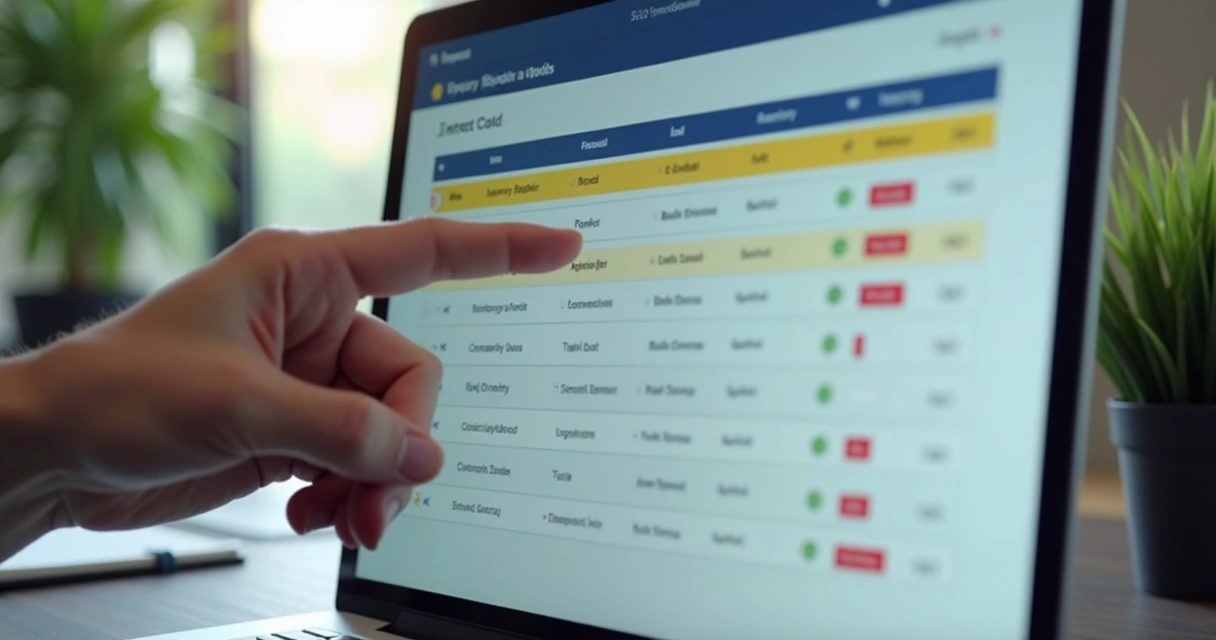
Why does Lead2Go deliver more?
I've tested systems that promise to automate qualification but remain superficial, segmenting leads only by automated responses. Lead2Go's differentiator lies in learning about the business, personalizing communication, and allowing instant transfer to a human if necessary.
Unlike conventional platforms, Lead2Go guarantees 24/7 service, quick responses, and transparent metrics. This brings real control over the sales funnel and frees up the team to focus on truly ready leads.
Even other companies in the sector, while promising automation, generally require complex integrations or don't always achieve the level of personalization that Lead2Go offers by default.
How to go further: nurturing the funnel with intelligence
Keeping the funnel healthy isn't just about removing cold leads, but creating a process where opportunities are renewed and the right contacts receive ideal attention.
In addition to the tactics I've shared, I always seek to update campaigns and analyze data for patterns. I highly recommend following content on best sales practices and artificial intelligence in sales to broaden this strategic view. A simple adjustment can transform the month's results.
This is how I realized that cold leads can even come back to life, but the right approach is not to depend on that. I prefer to invest where the chances are real, with the help of intelligent tools.
Conclusion: turn losses into opportunities with Lead2Go
In my journey, I've found that the secret lies in balance: quickly identifying cold leads, not insisting beyond a point, but never losing control of the funnel. With personalized AI, humanized responses, and detailed monitoring like only Lead2Go offers, I've seen concrete results, with sales growing and teams more confident at every step.
Cold leads don't have to be synonymous with loss. Deciding, acting, and using the right technology makes all the difference.
If you feel it's time to amplify your sales, avoid losses, and have complete control of your funnel, schedule a 30-minute call with Lead2Go and see how automated customer service can transform your daily sales routine in practice.
Frequently Asked Questions about Cold Leads and the Sales Funnel
What are cold leads in the funnel?
Cold leads are those contacts who do not show sufficient interest or engagement to advance in the sales process. They may have initiated contact but do not respond, avoid interaction, or provide empty responses, signaling that they are not ready to buy.
How to quickly identify cold leads?
To quickly identify cold leads, I evaluate response time, conversation engagement, interaction history, and look for signs like evasive answers or lack of responses. Tools like Lead2Go automate part of this process, quickly signaling when a lead loses interest.
What signs indicate a cold lead?
Classic signs include delays or lack of responses, disinterest in meetings or presentations, generic answers, and little interaction with sent content. When I notice these behaviors, I consider the lead cold and change my approach.
How to avoid losses with cold leads?
I avoid losses by responding quickly, personalizing conversations, using technology to not miss the service timing, analyzing qualification reports, and always prioritizing warmer opportunities. Improving response time is a point that makes a huge difference.
Is it worth re-engaging cold leads?
It depends on the context. If there are indications of interest, re-engagement can bring great results. However, I insist on working with intelligent automation, like Lead2Go, to ensure I only invest time in the right leads. Re-engagement can work, but prioritizing hot leads always brings more immediate results.