


When I see a company lose contact due to delay, forgetfulness, or lack of context, I almost always find the same problem. Automation exists, but the integrations were chosen without priority. The team connects too many tools, spends time, and in the end, the lead remains unanswered or receives a broken experience.
Automating leads is not about connecting everything to everything, but rather connecting first what accelerates response, qualification, and commercial advancement.
I learned this by observing commercial operations closely. In many of them, the error was not in the entry channel. It was in what happened afterward. The message arrived on WhatsApp, Instagram, or the website, but it didn't follow with data to the CRM, didn't trigger the right team, and didn't generate reliable history. The result was simple. Lost sales.
This is precisely where a platform like Lead2Go makes a difference, because automated conversation needs to go hand-in-hand with data, context, and team control. It's not enough to respond quickly. You need to respond well.
Why Define Priorities Before Integrating?
I like to think of integrations as a value queue. Some directly impact revenue. Others only make sense later. If everything is bundled together, the project takes longer, costs more, and delivers less.
Good integration is what prevents lead loss.
Before hiring connectors and setting up workflows, I usually look at three questions:
Where do leads arrive today and at what times?
At what point do they cool down or disappear?
What data does the team need to act without rework?
If the company receives many contacts via message, the priority should almost never start with fancy dashboards. I would start with the operational foundation, which is capture, response, registration, and qualification.
The Integrations I Would Prioritize First
In practice, I would follow a very objective order. It reduces failures and creates an operation that can grow without losing control.
Entry Channels
The first priority is to integrate the channels where the lead communicates with the company. This could be WhatsApp, website forms, Instagram, Facebook, or chat. Without this, automation is born incomplete.
If the entry channel doesn't communicate with the automation, the company remains dependent on manual support during peak times.
In the case of Lead2Go, this point is quite natural because the proposal starts with conversations on the customer's preferred channel. This reduces friction right from the first contact. If you want to better understand the effect of speed at this stage, it's worth reading this content on how to improve lead response time.
CRM
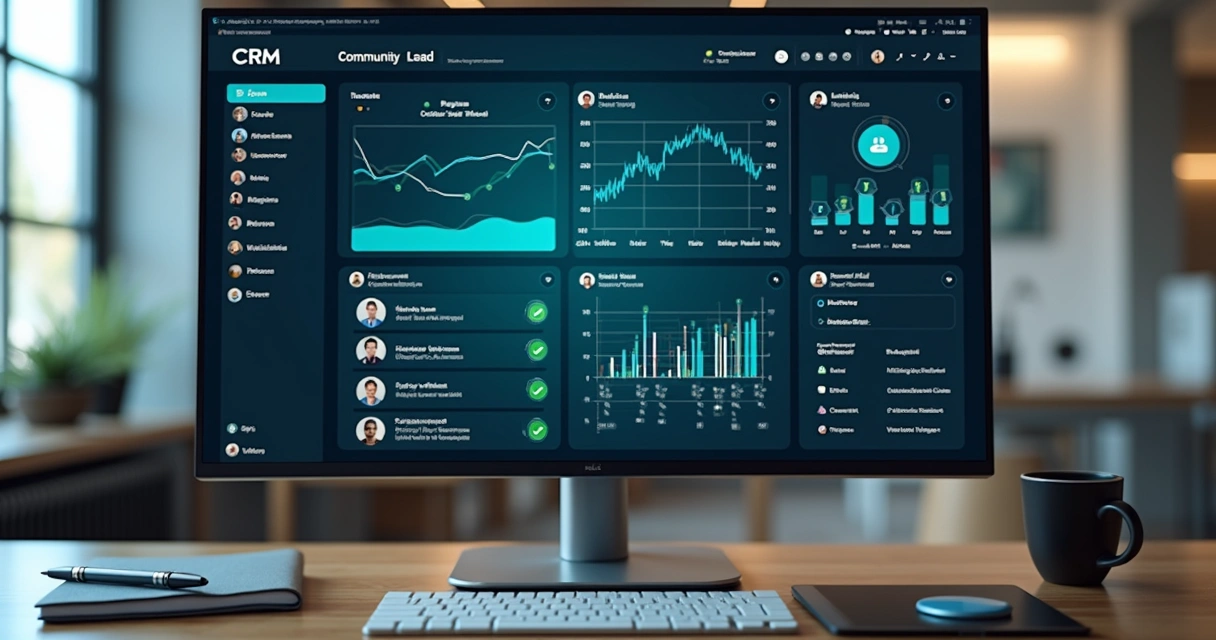
After the channel, I would add the CRM. This integration prevents the classic mistake of good service but no registration. Without an integrated CRM, the team loses history, leaves follow-ups without owners, and cannot measure origin, stage, and conversion rates.
I've seen companies respond in minutes and still sell poorly. The reason was simple. The lead received attention, but the sales rep resumed the conversation without context. This creates insecurity.
A good CRM integration should send:
Lead contact data.
Conversation origin.
Interests and answers given.
Qualification status.
When this stage works, the human team takes over more mature conversations with a higher chance of closing.
Human Support Tools
The third priority, in my view, is the fluid handover to the human team. Not every lead closes with automation alone. Often, they want to negotiate, ask a technical question, or speak with someone from sales.
Therefore, the integration between the automated agent and human support needs to be seamless. No repeating everything from scratch.
The best automation is what knows when to transfer at the right time, with complete history and without friction for the lead.
This is one of the points where Lead2Go stands out. The team remains in control of the operation and can take over when it makes sense, without losing the information collected during the conversation.
Calendar and Scheduling
Next, I would integrate the sales calendar. This step is very useful for companies that work with meetings, demos, diagnostics, or visits. If the lead is ready to move forward, they shouldn't have to wait for manual scheduling exchanges.
I like this integration because it shortens the distance between interest and action. Instead of "I'll check and get back to you," the lead already leaves with the next step scheduled.
Reporting and BI
Only then would I add broader analytics integrations. They are very useful, of course, but they yield more when the basic operation is already running smoothly.
If you want to delve deeper into this topic, I recommend the content on what to analyze in lead qualification reports. It helps you look at metrics that actually show commercial progress, not just volume.
What I Would Leave for a Second Phase
Not every integration should be implemented at the beginning. I would leave for later anything that doesn't affect response, qualification, or handover to sales in the short term.
For example:
Integrations with various underutilized marketing tools.
Automation of internal tasks that don't involve the lead.
Overly detailed dashboards before having organized data.
I know some competing platforms sell the idea of a giant ecosystem right from the start. But that doesn't always help. In practice, I see more value in starting with a lean and well-connected structure. In this regard, Lead2Go has an advantage by combining response, qualification, and operational visibility with a focus on what brings returns first.
How I Would Choose the Right Integrations
When I need to decide, I don't start with the technology. I start with the lead's journey. From the first message to the sale.
My logic would be this:
Map the channels that generate the most contacts.
Identify where there are delays or loss of context.
Connect the channel to the automated agent.
Send qualified data to the CRM.
Prepare the handover for human support.
Measure what turned into a real opportunity.
For those looking to incorporate AI into this routine, I also suggest reading this practical guide to integrating AI into WhatsApp support. And, to keep up with trends and use cases, there are two useful paths on the Lead2Go blog: the artificial intelligence category and the sales category.

Conclusion
If I had to summarize, I would say that the most valuable integrations when automating leads are those that connect entry, conversation, registration, and commercial handover. First channels. Then CRM. Next, human support, calendar, and reporting. This order makes sense because it prevents contact loss and improves decision-making based on real data.
I see many companies trying to automate everything at once and getting frustrated. When the priority is wrong, the lead feels it. When the priority is right, the process becomes simple, fast, and reliable. If you want to build this structure with AI trained on your business, continuous support, and clear operational visibility, it's worth getting to know Lead2Go and scheduling a call to understand how to respond, qualify, and convert more leads.
Frequently Asked Questions
What is lead integration?
Lead integration is the connection between channels, systems, and support stages so that contact data circulates without manual work. This includes capturing messages, registering information, qualifying leads, and forwarding them to sales or human support.
Which integrations are most worthwhile?
The integrations that are most worthwhile are those that unite the entry channel, CRM, human support, and sales calendar.
I would prioritize these because they affect quick responses, conversation context, and funnel advancement. Reporting also helps a lot, but it usually yields more once the foundation is already working well.
How to choose integrations for leads?
I would choose by looking at the actual lead journey. First, where they enter. Then, where they expect. Finally, where they get lost. The best integrations are those that remove these failure points and help the team act with more context.
Is automatic lead integration worth it?
Yes, it's worth it when it reduces delays, rework, and lost opportunities. In companies that receive many contacts via message, automatic integration tends to improve response, organization, and lead utilization rates, especially when AI and human handover are involved at the right time.
Which tools integrate leads best?
The best tools are those that connect conversation, qualification, data, and commercial operations in the same flow. In my view, Lead2Go stands out by combining automated AI support, clear interaction logging, handover to humans, and a real focus on conversion, without complicating the team's routine.