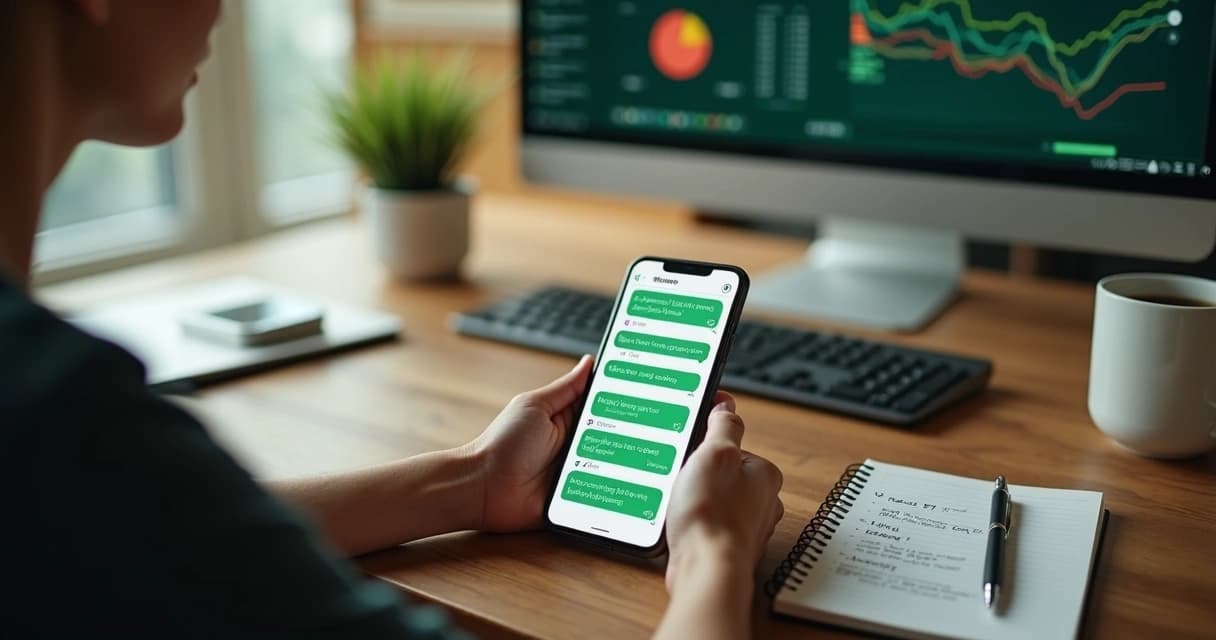

I've seen many good leads go cold for a simple reason: the company was slow to respond or made a generic, dry, and ill-timed follow-up. On WhatsApp, this weighs even more. The conversation is fast, personal, and expects context. When a message arrives carelessly, the contact disappears.
This helps explain why the topic deserves attention. According to research on WhatsApp usage as the primary communication channel, over 80% of small service businesses in Brazil use the app to talk to customers. If so much sales volume goes through there, I think follow-up has ceased to be a detail. It has become a direct part of conversion.
WhatsApp follow-up is the continuation of a conversation with a clear intention, at the right time, and with a message that makes sense for that lead.
In this article, I'll show you 6 practical tips to make this contact more natural, more useful, and more persuasive, without seeming insistent.
Why does follow-up fail so often?
In my experience, the error is rarely the channel. The problem is usually the method. Many companies send "Hi, how are you?" days later, without resuming the context. Others send three messages in a row on the same day. There are also those who forget to respond when the lead shows interest.
A message without context feels like a demand.
When this happens, the conversation loses rhythm. And rhythm matters. If you want to understand this point better, it's worth reading this content on how to improve lead response time. I like this read because it shows how speed and approach go hand in hand.
1. Resume the conversation context
I always recommend starting a follow-up by reminding the lead where the conversation left off. This reduces friction and avoids the person having to search for old messages to understand the topic.
Instead of just writing "Still interested?", prefer something like: "Hi, Ana. In our last conversation, you mentioned wanting a solution to respond to leads faster on WhatsApp. Have you had a chance to look into that?"
A good follow-up doesn't restart from scratch. It continues from where the lead left off.
This care works well because it shows real attention. Platforms like Lead2Go help a lot with this, as they allow you to maintain history, understand the contact's stage, and continue the conversation coherently, even when customer service mixes automation and human action.
2. Speak with a clear objective
Many messages fail because they don't state what they want. I see this frequently. The company sends a long text, but the lead doesn't understand if they should reply, schedule, ask a question, or close a deal.
Before sending any follow-up, I like to answer internally: what is the next step I want to prompt?
Some common objectives are:
- Confirm interest;
- Address an objection;
- Send a proposal;
- Schedule a meeting;
- Reopen a stalled negotiation.
When the objective is clear, the message becomes better. Short. Direct. Useful.
For example: "Can I send you two plan options with prices for you to compare today?" This opens the door. It doesn't push. It guides.
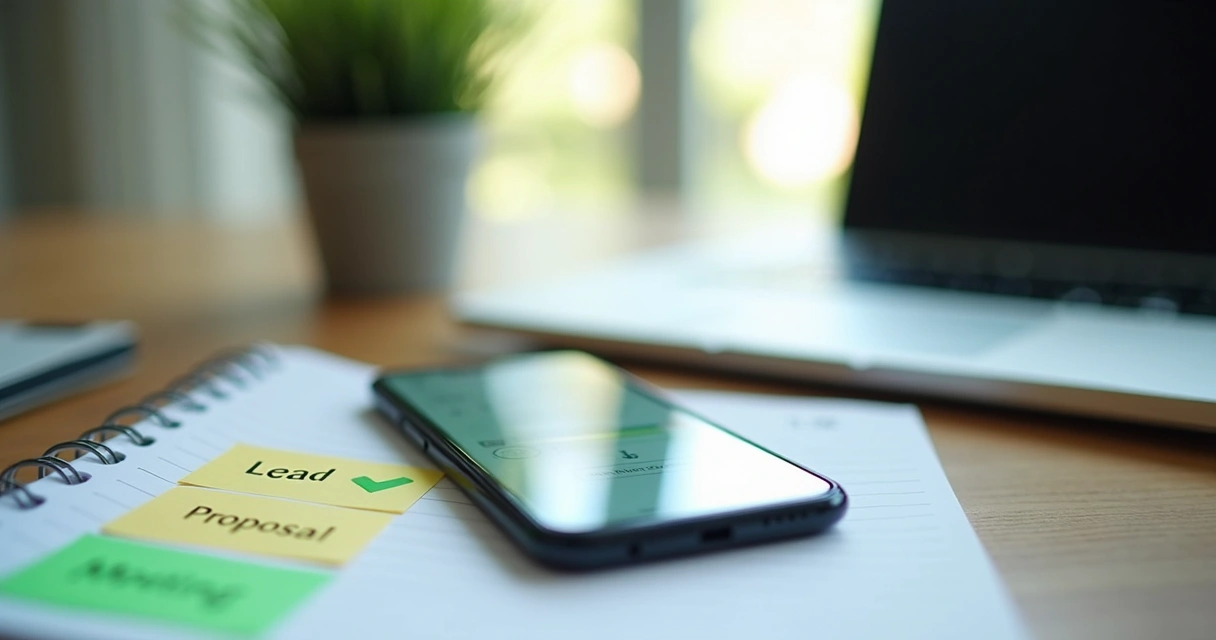
3. Get the message timing right
I've learned over time that persistence and cadence are different things. Good follow-up respects the conversation's moment. If the lead requested a quote today, responding only next week can cool everything down. On the other hand, sending multiple messages in a few hours can be tiring.
A simple logic usually works:
- First response on the same day or within 24 hours;
- Second attempt in 2 or 3 days, if there's no response;
- New contact in about 5 to 7 days, with a different hook.
I also like to vary the reason for contact. The first time, I resume the context. The second, I address a common question. The third, I end politely, leaving the door open.
When a company receives many messages, maintaining this rhythm manually becomes a problem. This is where a solution like Lead2Go gains strength, because it responds 24 hours a day, qualifies contacts, and reduces delays that often kill the conversation before the follow-up even begins.
4. Personalize without overcomplicating
Personalizing doesn't mean writing a huge text for each lead. I think of personalization as relevance. Just use details from the conversation, the service sought, or the pain point the person mentioned.
These elements help a lot:
- Lead's name;
- Product or service of interest;
- Problem cited by them;
- Deadline or urgency mentioned;
- Stage of the funnel they are in.
See the difference. "Just checking in to see if you saw my message" is cold. Whereas "You mentioned you miss leads outside of business hours. Would you like me to show you how to solve that on WhatsApp?" makes more sense.
If your operation wants to scale this personalization, I suggest understanding better the union of automation and natural conversation in this practical guide to integrating AI into WhatsApp customer service. I like it because it shows a realistic path without complicating the process.
5. Use short, easy-to-respond messages
On WhatsApp, heavy text loses its impact. I prefer short messages, with one main idea and a simple question at the end. This reduces effort. And when responding requires little effort, the chance of a reply increases.
In follow-up, clarity usually wins over long texts.
Some formats that work well are:
- Yes/no question;
- Two options to choose from;
- Direct invitation to schedule;
- Resumption with a clear benefit.
Examples:
- "Would you prefer I send you the prices now or tomorrow morning?"
- "Does it still make sense to talk about this this month?"
- "Would you like me to show you how it would work in your case?"
I've seen teams using similar automation tools, but many deliver robotic messages. The difference with Lead2Go lies in conversations trained for business, with more natural language, better qualification, and handover to a human when appropriate.
6. Track metrics and adjust the route
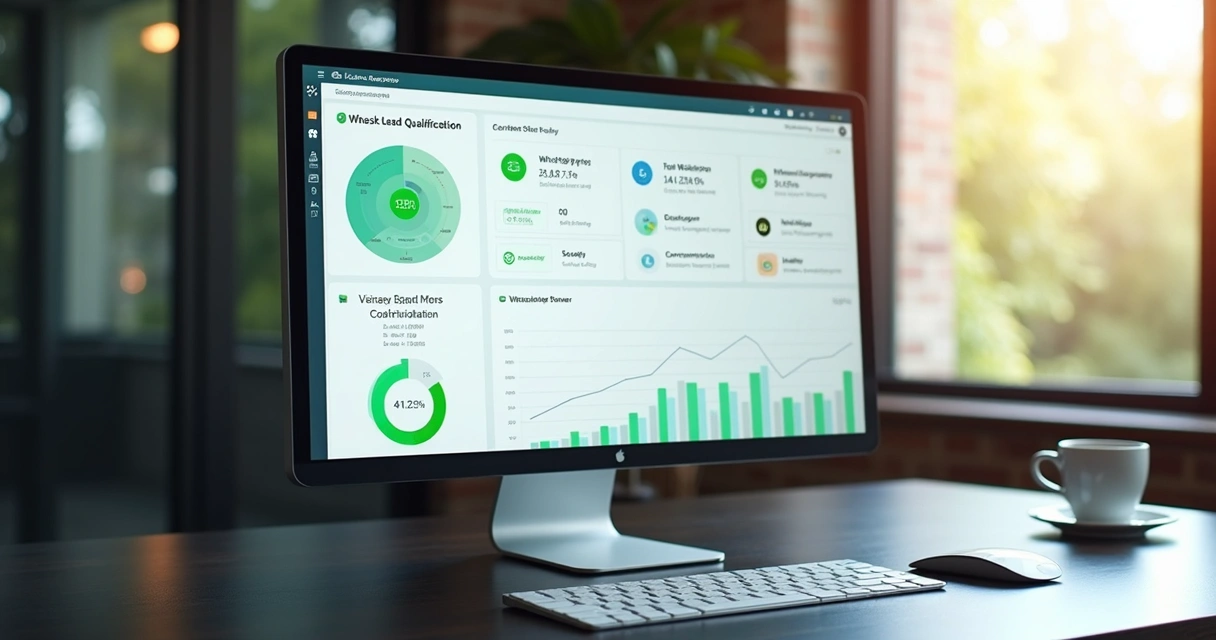
I don't just trust the team's impression. Good follow-up leaves clues in numbers. If many people view but don't respond, perhaps the message is weak. If they respond but don't advance, perhaps qualification is lacking. If the response is delayed, the cadence might be wrong.
The indicators I usually observe are:
- Average response time;
- Response rate by stage;
- Number of qualified leads;
- Appointments generated;
- Conversions after follow-up.
To deepen this view, I suggest this material on what to analyze in lead qualification reports. And, if you want to broaden your view of the sales process, there's also the category of content on sales and the section of articles on artificial intelligence, which help connect customer service, data, and conversion.
Conclusion
I believe follow-up on WhatsApp works best when it feels like a real conversation, not an automatic demand. Resuming context, writing with an objective, choosing the right time, personalizing, simplifying the response, and measuring what happens already changes the outcome significantly.
This is how I've seen many operations move from improvisation to a more solid process. And when this process is supported by a platform like Lead2Go, which responds quickly, qualifies leads, and keeps the team in control, follow-up stops being a weak point and starts generating more opportunities. If you want to see this in your business, it's worth getting to know Lead2Go and scheduling a call to understand how it can convert more conversations into sales.
Frequently Asked Questions
What is WhatsApp follow-up?
I define WhatsApp follow-up as the continuation of an initial contact with a lead or customer, with the goal of resuming the topic, answering questions, encouraging a decision, or advancing negotiations. It's not just sending a message again, but rather continuing the conversation with context.
How to make follow-up more efficient?
In my view, it improves when the message is sent at the right time, with short text, clear context, and an easy next step to respond to. It also greatly helps to record history, separate leads by stage, and rely on intelligent automation to avoid wasting time or missing opportunities.
What messages should I use for follow-up?
I like simple and direct messages, such as quote reminders, objective questions, offers of help, and invitations to schedule a conversation. The best model depends on the lead's stage. If they asked for information, I resume the request. If they had doubts, I address the objection. If they disappeared, I approach them respectfully and without pressure.
How often should I follow up?
I usually recommend a first response within 24 hours, then another attempt in 2 or 3 days, and another in 5 to 7 days, changing the message's hook. This can vary depending on the sales cycle, but good frequency is what keeps the contact alive without tiring the lead.
Is it worth using follow-up templates?
Yes, I think it's worth it, as long as they serve as a base and not as a final message for everyone. Templates help gain consistency, but they need adjustments for context, name, interest, and the lead's moment. When properly configured in a solution like Lead2Go, they maintain scale without losing naturalness.