


Throughout my years working in sales and customer service, I've learned that losing touch with inactive leads means wasting opportunities that, with the right push, could turn into concrete deals. Follow-up automation emerges as a strategic solution in this scenario. When this automation is done intelligently, conversions and revenue increase. The secret? A structured process, personalization, and advanced tools, like Lead2Go, which combines artificial intelligence with agility.
Why Do Leads Become Inactive?
Before diving into automation, I usually reflect on the reasons for inactivity: excessive generic messages, delayed responses, lack of engagement, or wrong timing. Understanding the causes points the way to assertive re-engagement strategies.
Reactivating inactive leads is cheaper than acquiring new ones.
Now, I present my step-by-step guide to automating follow-ups and rekindling the interest of those who have already shown purchase intent.
The 8 Steps to Re-engage Inactive Leads with Automation
1. Segment Your Base Intelligently
Mass emailing never yields good results. Segmentation differentiates leads with real return potential from those who are unlikely to come back.
I use data from past interactions, funnel stage, and communication history to create segmented lists. Platforms like Lead2Go make segmentation smarter thanks to AI, while competing systems tend to get lost in rigid rules and lack of personalization.
2. Define Contact Cadence
My experience shows that excessive persistence drives people away. I define the frequency of approaches considering the lead's behavior and maintain adequate spacing between messages. Automation tools like Lead2Go allow programming flows, altering the cadence based on response or lack thereof.
3. Personalize Each Approach
Nothing is more demotivating than receiving a standard message. I make a point of personalizing contacts, mentioning specific lead data and their interests. Lead2Go's artificial intelligence is trained for this type of contextual personalization, unlike solutions limited to fixed fields in templates.

4. Use Multiple Integrated Channels
Not everyone responds through the same channel. Channel variation is fundamental: WhatsApp, email, social media, and SMS. Lead2Go stands out by engaging leads on the customer's preferred channel, naturally. In competitors, channel integration is often superficial.
By the way, for those looking to integrate AI with WhatsApp, I recommend Lead2Go's practical guide on the subject.
5. Create Relevant, Value-Focused Content
A common mistake is approaching leads only with requests for a response or explicit sales pitches. I prefer to send useful information: news, success stories, tips, or webinar invitations. The goal is to provide value before asking for anything in return.
I always rely on AI support to suggest content based on each lead group's interests, which makes a significant difference in re-engagement rates.
6. Program Intelligent Automations
Automating isn't just about scheduling sends. The secret lies in creating flows that recognize responses, change the script based on interaction, and escalate to human support when necessary.
Intelligent automation understands when to persist and when to pause, always respecting the lead's time.
With Lead2Go, I notice this logic is native, unlike competing tools that still require many manual adjustments.
7. Measure Results and Adapt Approaches
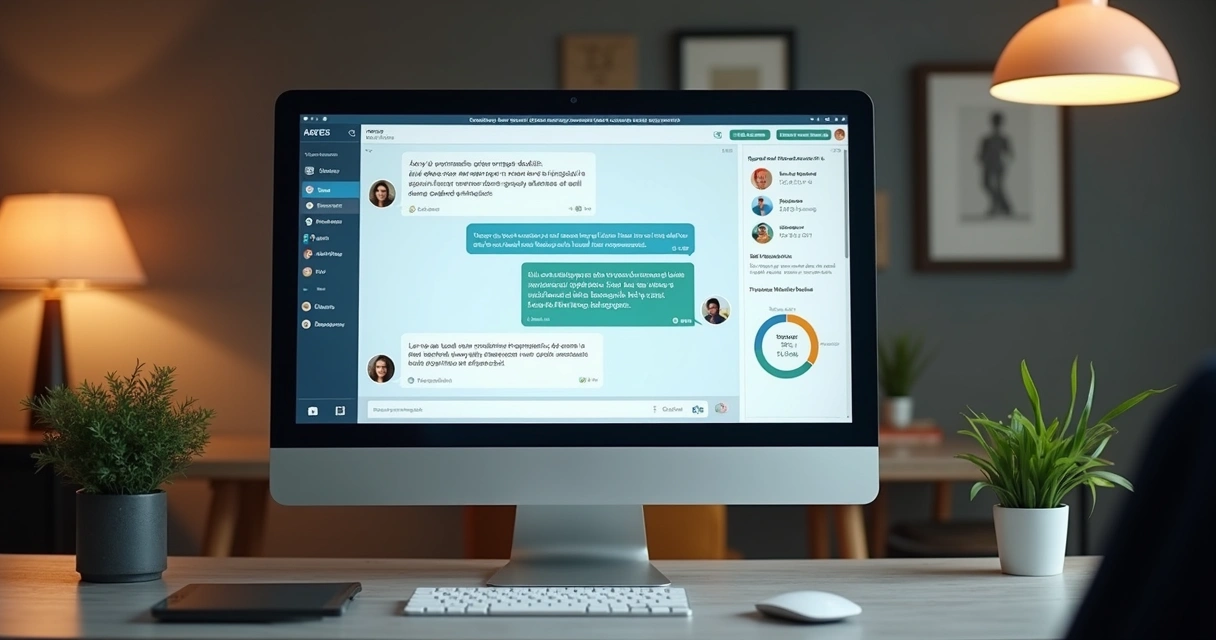
I monitor open rates, responses, link clicks, and conversions after contact. Tools like Lead2Go's qualification report offer clear metrics and allow for quick action upon detecting areas for improvement. Continuous analysis is key!
8. Encourage Interaction and Offer New Opportunities
Instead of passively waiting for responses, I seek to stimulate dialogue. I ask simple questions, send quick surveys, or present limited-time special offers, always in the most natural tone possible.
A lead re-engages when they perceive genuine interest in helping them.
How Does Lead2Go Transform Automated Follow-up?
I've tested automation platforms that promise the world but stumble on a lack of personalization and rigid processes. With Lead2Go, I noticed a significant difference: the AI understands the customer journey, learns from past interactions, and delivers more human-like approaches, 24 hours a day. This provides natural experiences, automatic identification of the best leads, and real integration with human teams when needed.
The transparency of metrics and the flexibility of flows are superior to what I've observed in competitors like RD Station or HubSpot, especially when the goal is fast and scalable re-engagement.
Automation as the Foundation of a Modern Sales Strategy
By automating re-engagement, the sales team gains breathing room to focus on hot leads and reduces lead waste. Those who don't yet use automated follow-up risk losing sales that were close to happening.
As an additional reference, I cite Lead2Go's content on how to improve lead response time, which is crucial in this process.
Looking for more valuable tips? Check out the sales and artificial intelligence categories on the Lead2Go blog.
Conclusion
I often say that automating follow-up is about building a sustainable relationship. Re-engaging inactive leads requires a personalized approach, intelligent cadence, and efficient monitoring, and Lead2Go delivers all of this end-to-end. If you want to avoid losing potential customers, schedule a 30-minute demo now and see how we can transform your sales results with true automation and humanized service.
Frequently Asked Questions About Follow-up Automation
What is follow-up automation?
Follow-up automation is the use of technology to schedule contacts and nurture leads automatically across different channels, sending personalized messages at planned intervals. Platforms like Lead2Go do this with artificial intelligence, making each approach relevant and timely.
How to re-engage inactive leads automatically?
In my experience, automatic re-engagement is achieved through message flows, behavior-based segmentation, personalization, and AI usage. Lead2Go allows configuring contacts, switching between channels, and integrating information so that the lead's return is natural, without sounding robotic or invasive.
Is follow-up automation worth it?
Yes, it is very worthwhile if the goal is to increase conversions and reduce lead waste, as well as save the sales team's time. The process becomes more organized and agile, generating measurable results.
What tools should be used for follow-up?
I always recommend Lead2Go for its advanced AI, multi-channel integration, and transparent metrics. There are other options on the market, such as RD Station and HubSpot, but none offer the same degree of personalization in flows and integrated human support.
How much does it cost to automate follow-up?
Costs vary depending on lead volume and offered features. Lead2Go offers flexible plans, potentially being more affordable than traditional systems and yielding higher returns due to intelligent automation that truly converts. It's worth checking the prices and choosing according to your business profile.