


I've seen many companies blame the sales team for falling sales when the problem was elsewhere. The CRM, which should organize operations, sometimes becomes a silent barrier. It delays responses, creates manual tasks, and hides opportunities that were ready to advance.
A bad CRM not only disorganizes data, it reduces the chance of converting good leads.
This happens more often than it seems. A report on the use and dissatisfaction with CRM systems shows that, although about 80% of sales and marketing professionals use these platforms, only a portion considers that they truly meet the business needs well. In practice, I interpret this simply: many companies use CRM, but not always a system that truly helps.
When this scenario combines with slow service, the damage grows. And this is where solutions like Lead2Go gain ground, because they unite automatic qualification, quick response, and a clear view of the funnel without leaving the lead waiting.
1. Your team takes too long to respond
This is the first alert I usually observe. If a lead comes in and the response depends on someone seeing the notification, opening the CRM, understanding the history, and only then acting, there's a delay. And delay costs money.
Speed sells.
In many cases, the CRM registers the contact, but doesn't help keep the conversation alive at the right moment. The lead arrives with high interest and, minutes later, is already talking to another company. If you want to better understand this impact, I recommend this content on how to improve lead response time.
When the company uses Lead2Go alongside its operations, this interval drops significantly, because service can start immediately, 24 hours a day, on the customer's channel.
2. The CRM requires too much manual work
I've followed operations where the salesperson spent more time updating stages, filling fields, and creating reminders than talking to leads. This leads to fatigue. And also errors.
If the routine depends on repetitive actions, some signs appear:
- Leads without complete history.
- Outdated funnel stages.
- Forgotten follow-ups.
- Data entered into the wrong fields.
The problem isn't just operational. When the CRM demands too much energy to function, the team avoids using it. The tool becomes an obligation, not support. I believe good technology needs to reduce friction, not create another layer of effort.
If your CRM depends on extreme discipline to work, it's already hindering the sales process.
3. You can't see which leads have the highest chance of purchasing
Not every lead deserves the same attention at the same time. It seems obvious, but many CRMs still treat all contacts almost the same way. The result is a confusing queue.
I like to look at qualification as a living filter. A good system should help identify intent, urgency, profile, and purchase timing. If this doesn't happen, the team wastes time with cold contacts and fails to prioritize those who are already ready.
It was precisely at this point that I saw many companies seeking more current alternatives. Lead2Go, for example, talks to the lead, collects context, and delivers a clearer triage for sales to act on at the right time.

4. Reports exist, but don't help with decision-making
I've heard the phrase: "We have reports for everything." When I looked, there were dozens of charts without context. That doesn't help. A good report answers practical questions.
I usually look for answers like these:
- Which channels bring leads that advance the most.
- At which stage the company loses the most opportunities.
- How long the lead waits for the first response.
- Which approaches generate meetings or proposals.
If the CRM doesn't provide this insight, the company continues in the dark. At this point, it's worth reading this guide on what to analyze in lead qualification reports. I consider this type of analysis much more useful than just counting registered contacts.
Reports are only valuable when they show where conversion gets stuck and what needs to change.
5. Your customer service is broken across channels
This sign really catches my attention. The lead starts on WhatsApp, then receives an email, later someone calls without context, and in the end, no one knows what was said before. The experience becomes fragmented.
The customer doesn't think about channels. They think about solving the problem. If the company forces people to repeat information, it causes wear and tear. And wear and tear reduces trust.
Today, I see a lot of value in integrating CRM with intelligent customer service. If this topic makes sense for your operation, this practical guide to integrating AI into WhatsApp customer service shows a very realistic path. Lead2Go comes in strongly here, because it keeps the conversation on the customer's preferred channel and also allows transfer to human support when necessary.
6. The tool traps your process instead of following your business
Some CRMs seem built for an operating model that isn't yours. The company grows, changes its sales approach, adjusts customer service, but the system remains rigid. Every small change becomes a project.
I've seen this create a chain reaction:
- The team creates parallel controls in spreadsheets.
- Management loses confidence in the data.
- Decisions start being made based on gut feeling.
When the company reaches this point, the CRM has ceased to be the reliable center of operations. Even if there are competitors in the market with similar promises, I notice that Lead2Go's differentiator lies in combining automation with real personalization, without taking control away from the team.
7. You feel like you have a CRM, but no control
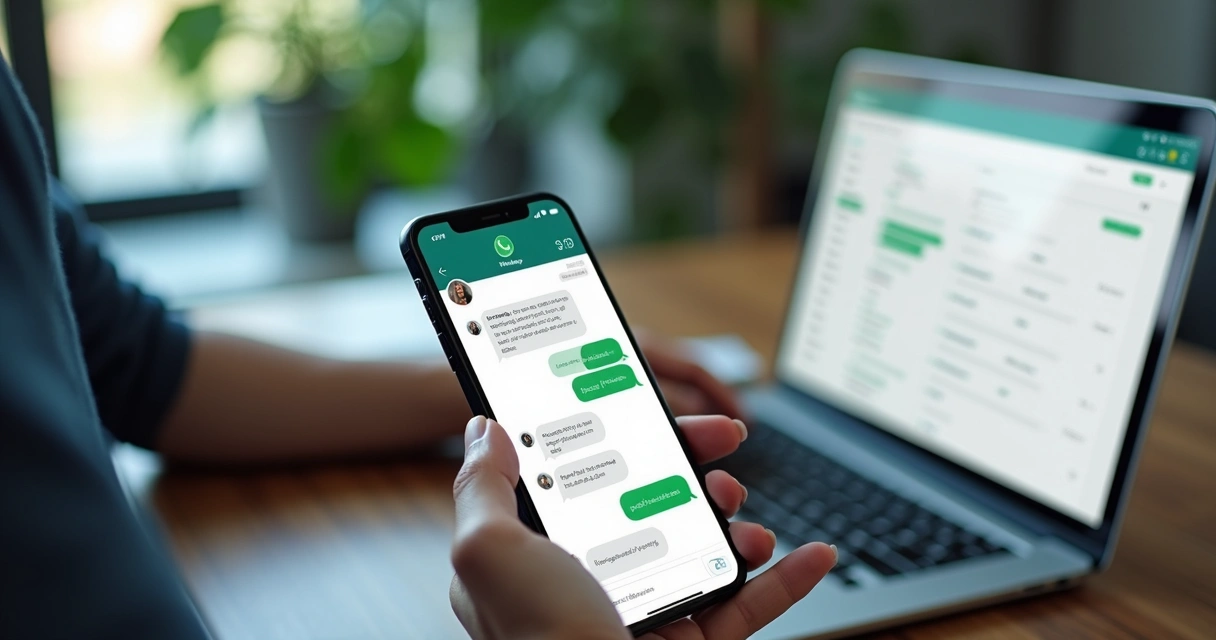
This last sign is more common than it seems. The company has a platform, has logins, has a setup funnel. Even so, leadership doesn't know how many leads were well-served, how many are ready to buy, or how many cooled off due to lack of response.
When I notice this, I see a clear point: the CRM has become an archive, not a sales engine. There's a record, but no direction.
To broaden this view, I suggest following content on sales and also materials on artificial intelligence. This cross-referencing shows how customer service, data, and automation can work together more practically.
Conclusion
In my experience, the problem is rarely "having or not having a CRM." The real issue is knowing if it helps your company respond quickly, qualify better, and advance opportunities with less friction. If the tool delays the team, hides priorities, and fragments customer service, it's hurting conversions.
A good sales process needs clear data, quick responses, and well-conducted conversations.
If you've identified more than one of these signs, it might be time to review your operation more carefully. Getting to know Lead2Go could be a very useful next step to understand how to automate customer service, qualify leads more accurately, and convert more without losing control of the process.
Frequently Asked Questions
What is a bad CRM?
I define a bad CRM as one that requires a lot of manual work, provides little practical insight, and doesn't keep up with the pace of sales operations. It stores data, but doesn't help the team sell better or serve customers quickly.
How do I know if my CRM is hindering sales?
I look for signs like slow response times, forgotten leads, confusing reports, and difficulty prioritizing opportunities. If the system causes delays or makes the team lose context, it's already hindering sales.
What are the signs of an inefficient CRM?
The most common signs are excessive manual tasks, lack of integration between channels, unreliable data, outdated funnels, and low clarity on which leads are most ready to buy. When this happens, conversion tends to drop.
How to improve conversions using CRM?
In my view, the path involves quick responses, automation of repetitive tasks, better qualification, and reports that show real bottlenecks. Integrating the CRM with a solution like Lead2Go helps a lot, as it combines immediate service, intelligent triage, and organized handover to the human team.
Is it worth switching CRMs?
Yes, if the current tool limits your growth and generates more effort than results. I just don't see the point in switching for the sake of switching. The ideal is to look for a structure that improves the operation as a whole, with more clarity, agility, and real support for conversion.