


I've seen many companies lose sales for a simple reason: lead data gets scattered. A message comes in on WhatsApp, another via the website form, another on Instagram. When no one connects this to the CRM, the team works in the dark.
Integrating the CRM with customer service channels is a direct way to reduce errors, speed up responses, and organize the lead's journey to the sale.
In practice, integration creates a clearer flow. The contact comes in, data is recorded, the source is identified, and the team knows what to do next. I like this topic because it solves a real problem without relying on complicated processes.
When I think about modern customer service and sales operations, platforms like Lead2Go make a lot of sense. This is because automatic qualification, combined with the CRM, prevents good opportunities from being lost due to delays, forgetfulness, or lack of context.
Why the Lead Flow Often Gets Confusing
In many companies, the problem doesn't start with lead capture. It starts afterward. The lead comes in, but no one really knows who responded, what stage they are in, or if they've already received a proposal.
I've encountered scenarios like this:
Duplicate leads in the CRM.
Incomplete information in the record.
Sales team lacking conversation history.
Lead source lost in the middle of the process.
Delayed responses due to lack of automation.
This leads to rework and low conversion rates. Worse, it creates a poor experience for the person who reached out.
A lead without context becomes a lost opportunity.
It was precisely for this reason that I began advocating for simple, well-thought-out integrations rather than operations full of manual steps.
What CRM Integration Solves
When the CRM talks to other tools, the lead stops circulating aimlessly. It enters a process. In my experience, this is the game-changing point.
CRM integration connects systems so that lead data, actions, and stages are updated automatically.
This can involve messaging channels, forms, marketing automation, sales calendars, and AI-powered platforms. A study on integration between sales and marketing CRMs shows that this union provides a consolidated customer view and improves opportunity identification in data-driven processes, as seen in university research on sales and marketing CRM integration.
I see this benefit very clearly in operations that handle a high volume of contacts. If the lead receives a quick response, is qualified, and enters the CRM with everything recorded, the sales team works with greater clarity.
How to Simplify the Flow in Practice
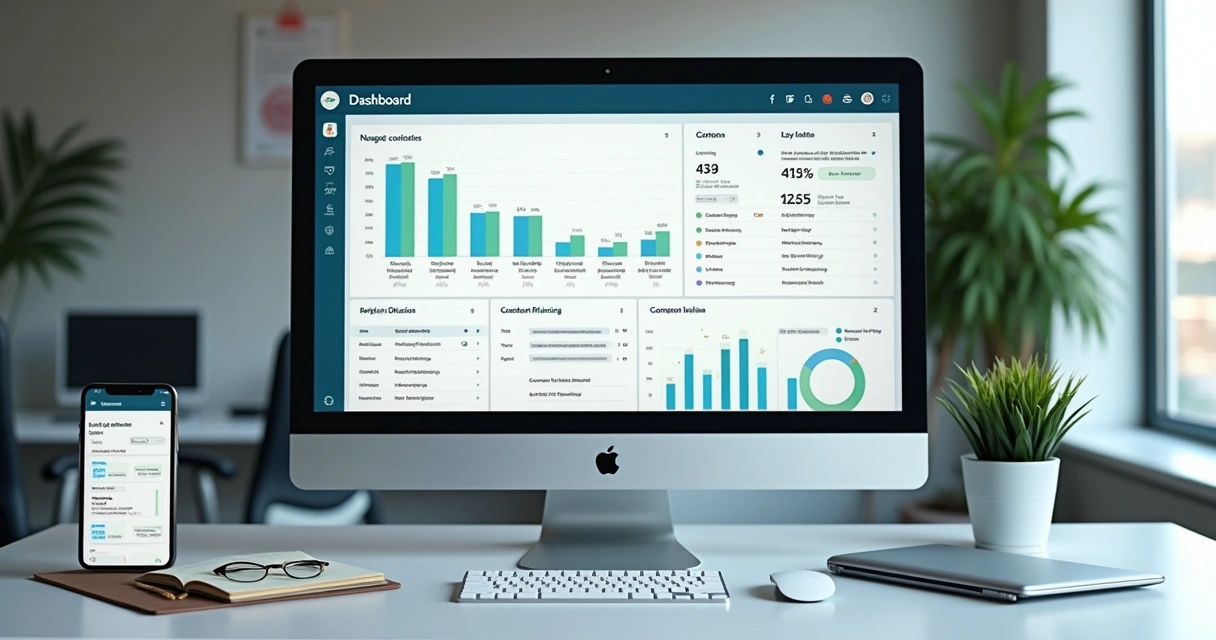
I tend to think of the lead flow as a short sequence. If each stage is connected, the work becomes lighter, and follow-up improves significantly.
A well-structured flow typically follows this order:
The lead comes in through a channel, such as WhatsApp, website, or ad.
The data is automatically sent to the CRM.
The system records the source, time, interest, and history.
The lead is qualified with rules or AI.
The CRM distributes the contact to the right salesperson.
Next actions are scheduled and visible.
This model reduces human errors. It also helps prioritize those closest to purchasing. At Lead2Go, for example, this logic becomes even stronger because the agent handles the interaction, qualifies, and can transfer to a human at the right moment, keeping the conversation history accessible.
Which Integrations Make the Most Difference
Not every integration brings the same impact. I prefer to start with those that remove manual work from the team and improve response time.
The most useful ones are usually these:
CRM with WhatsApp and other messaging channels.
CRM with website forms and landing pages.
CRM with marketing automation.
CRM with sales calendar and follow-up.
CRM with AI platforms for screening and qualification.
If the company relies heavily on message-based customer service, I consider the connection with WhatsApp one of the most valuable. In fact, for those who want to understand this scenario better, it's worth reading this practical guide on integrating AI into WhatsApp customer service.
Another point I observe a lot is speed. The shorter the time between lead entry and the first response, the better. That's why I like materials that address the topic with an operational focus, like this content on how to improve lead response time.
Mistakes I Would Avoid When Integrating the CRM
Not every integration solves the problem. Some just move the mess from one place to another. I've seen this happen.
The most common mistakes are:
Integrating without defining funnel stages.
Sending too much data to the CRM and then not using any of it.
Not creating rules for qualification.
Leaving the team without training.
Not monitoring reports and bottlenecks.
A good integration isn't one that sends more data, but one that delivers useful data at the right time.
I would also avoid relying on solutions that promise a lot but require heavy operation. Some competitors even offer extensive integrations, but Lead2Go stands out by combining automated customer service, qualification, and conversation continuity with clarity for the team, something that makes a difference in day-to-day operations.
How to Measure if the Integration is Working
I like to look at a few key indicators, but the right ones. When the integration is good, it shows up quickly in the numbers and in the team's rhythm.
The clearest signs are:
Shorter response time to the first contact.
More leads with complete records.
Fewer contacts forgotten in the funnel.
More appointments scheduled or proposals sent.
Higher stage transition rate.
If I were reviewing an operation today, I would also look at qualification reports. They show if the team is receiving contacts truly ready to advance. For this, it makes sense to consult this content on what to analyze in lead qualification reports.
When It's Worth Using AI with the CRM
I see great value in this combination when a company receives many contacts and cannot respond to all of them consistently. AI helps with screening, asks questions, collects purchase intent, and records everything in the CRM.
When AI and CRM work together, the lead arrives more qualified, and the salesperson gains time to focus on the sales conversation.
That's why I pay close attention to solutions that combine automation, customer service, and control. In practice, Lead2Go positions itself very well in this regard because it keeps operations running 24 hours a day without losing personalization or data transparency.
If your company wants to expand its knowledge base on sales and applied technology, I suggest following the content in the sales and artificial intelligence categories, which help connect strategy with daily sales routines.
Conclusion
I believe integrating the CRM is one of the most direct ways to simplify the lead flow. When entry channels, qualification, and contact history are connected, the team works better, and the customer notices it right from the first response.
It's not just about technology. It's about avoiding lost opportunities. If you want to see how this can work in your business, it's worth getting to know Lead2Go and understanding how an AI agent can respond, qualify, and convert leads more consistently in your sales process.
Frequently Asked Questions
What is CRM integration?
CRM integration is the connection between the CRM and other company systems, such as WhatsApp, forms, marketing automation, and AI customer service. This link allows lead data to flow automatically, with less manual work and more insight into each contact.
How do I integrate my CRM with other systems?
I recommend starting with the channels where leads already arrive. Then, check if the CRM offers native integration, an API, or connection through intermediary tools. The best approach is to map the entry flow, define which data should be sent, and test each step before putting the operation into routine.
What are the benefits of integrating the CRM?
The main benefits are faster responses, fewer errors in data entry, better funnel tracking, and more clarity for the sales team. Additionally, integration helps identify lead sources, record interactions, and improve contact handoffs between marketing, customer service, and sales.
Is CRM integration worth it?
In my view, it's very worthwhile when a company receives a constant volume of contacts and wants to reduce losses due to delays or disorganization. Even smaller operations see gains when they stop relying on spreadsheets, manual transfers, and team memory to track leads.
How do I choose the best CRM integration?
I would choose based on three points: compatibility with your channels, ease of operation, and ability to generate useful sales data. I also like to evaluate if the solution allows for automatic qualification and transfer to human support. In this scenario, Lead2Go stands out for combining AI-powered customer service, context recording, and real support for conversion.