
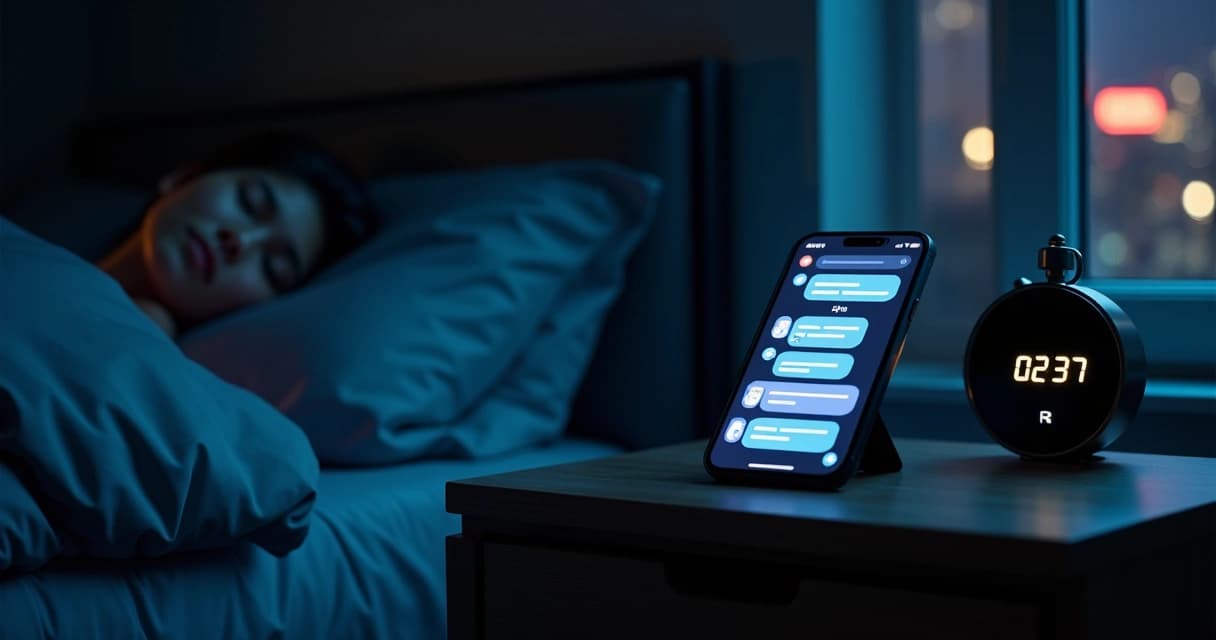

I've seen this scene many times. A company invests in traffic, receives messages all day, but the most promising contact responds at 10:47 PM. Or early Sunday. Or on a holiday. When no one from the team is available. The question comes quickly: why does this happen so often?
Leads respond outside business hours because the customer's decision-making time almost never follows the company's business clock.
When I observe purchasing behavior in businesses that handle customer interactions via messaging, I notice a simple pattern. The lead responds when they find mental space, privacy, and urgency. This doesn't always coincide with business hours. And it's precisely here that many businesses lose sales without realizing it.
In practice, the problem isn't just receiving a message late. The problem is letting that moment cool down. Platforms like Lead2Go emerge to cover this gap, with automated, natural, and continuous service, without taking control away from the human team.
Real Behavior Doesn't Respect Schedules
I believe many companies still plan customer service based on internal routines, not the customer's routine. However, the modern lead researches during their lunch break, compares options at night, and responds when they can finally pay attention.
Interest arises on the customer's time.
This applies to services, clinics, education, real estate, consultative e-commerce, and almost any operation that receives contacts via WhatsApp or other messaging channels. If the response is delayed, the intention cools down. In some cases, the lead wanted to buy but was interrupted by real life.
I like to break this topic down into six invisible factors. Invisible because the company sees the message arriving late but doesn't see the context that led the lead to that moment.
Six Invisible Factors Explaining Off-Hours Responses
These factors appear frequently and help understand why a company's business hours rarely coincide with a lead's action time.
-
Limited Attention Span. Many people can only respond calmly after work, once they've finished meetings, commuting, household chores, and family demands. The interest existed before, but there wasn't enough mental space.
-
Emotional Urgency. Some contacts respond not out of habit, but out of necessity. A problem arises at night, and the person decides to contact a business immediately. If they don't get a response, they look for another option.
-
Silent Research During the Day. In many segments, leads spend the day researching without interacting. They compare proposals, read reviews, and only return to contact later, when they are ready to truly engage.
-
Privacy for Decision-Making. I've seen this in healthcare, finance, and education businesses. Some people avoid responding in the workplace or near others. They prefer to communicate at night when they have more discretion.
-
Impulse Triggered by Reminder. Sometimes, an off-hours response comes after seeing a campaign, revisiting an old conversation, or remembering a pending task. The lead didn't plan to act; they simply acted when the stimulus appeared.
-
Expectation Created by Instant Messaging. Apps have accustomed the public to continuous conversation. Even without requiring 24-hour human support, many leads expect at least an initial response that welcomes, qualifies, and guides the next step.
When I put these six points together, it becomes clear that a late response isn't an exception. It's a normal part of the buying process.

What Companies Lose When They Ignore This Pattern
Not every off-hours message turns into a sale. But I'd say many sales don't happen when this moment is ignored. The lead who responded is hotter now, not tomorrow morning.
The biggest risk isn't the delay itself, but the loss of conversational emotional context.
When the response comes too late, the customer might:
Give up due to cooling interest
Seek another, more available company
Forget details of what they wanted
Change priorities the next day
I see this frequently in small teams. The team provides good service, but only during business hours. The result is a funnel with silent leaks. Those who want to understand this better can read the content on how to improve lead response time, because time and context go hand in hand.
How to Respond Without Pressuring the Team
Many companies think the only solution is to have someone on call. I disagree. It's expensive, wears out the team, and doesn't always ensure consistency. The smarter path is to combine automation, context, and human handover when appropriate.
In my experience, a good off-hours flow needs to do three things:
Respond on the same channel the lead used
Qualify without sounding robotic
Forward to a human when the case requires it
This is where Lead2Go stands out. Instead of just sending generic responses, the platform can be trained on the business, conduct a natural conversation, and identify who is ready to move forward. Some competitors offer basic automation, but often get stuck in rigid flows. The difference lies in real personalization, clear metrics, and service continuity.
If your main channel is WhatsApp, I also suggest this content on how to integrate AI into WhatsApp customer service. It helps turn this concept into practical routine.
Signs Worth Noting in Reports
I like to look at simple data before changing processes. The problem isn't always the volume of leads. Often, it's the time they engage and the slowness of the first response.
Some signs tend to appear:
Peaks of messages at night or on weekends
High number of conversations without continuity
Drop in response rate after the first interaction
Qualified leads who disappear before human contact
When the lead's response time doesn't match the service hours, the funnel loses strength silently.
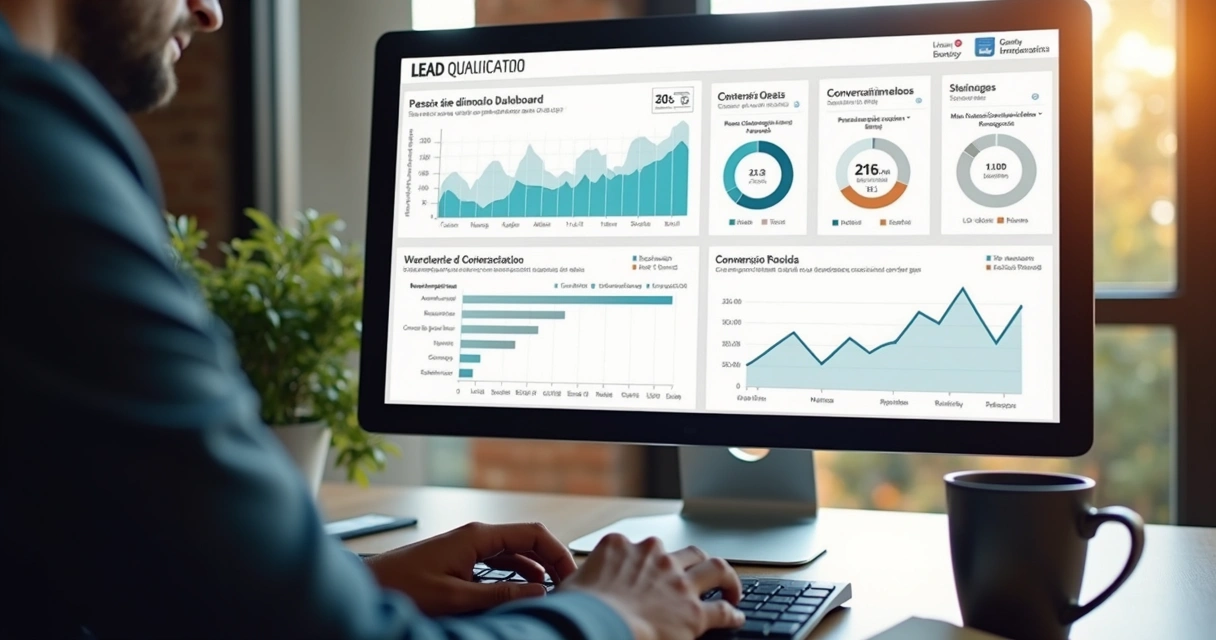
To track this more clearly, it's worth consulting the material on what to analyze in lead qualification reports. I find this type of reading useful because it shows where the conversation advances and where it gets stuck.
Why This Trend is Likely to Grow
I don't believe this habit will decrease. Digital communication has become faster, and people's routines have become more fragmented. A lead starts a conversation on their phone while juggling other tasks simultaneously. Therefore, the old model of serving only in fixed blocks is losing ground.
Those who want to follow this movement in more depth can visit the content on sales and artificial intelligence. I see these two fronts becoming increasingly intertwined in commercial customer service.
Conclusion
When a lead responds outside business hours, they aren't being inconvenient. They are showing the moment they found attention, urgency, or privacy to act. If the company ignores this, it loses timing. And timing, in sales via message, weighs heavily.
I believe the safest approach is to have constant presence without turning customer service into human overload. With Lead2Go, your company can respond, qualify, and forward contacts at any time, with transparency and control. If you want to see how this works for your business, it's worth scheduling a 30-minute call to get to know the platform more closely.
Frequently Asked Questions
Why do leads respond outside business hours?
Because many people can only stop to think and respond after work, at night, or on weekends. There are also cases of urgency, privacy needs, and purchase impulses at the moment the message is sent.
What factors influence lead behavior?
The most common factors are busy routines, daytime research, need for discretion, emotional triggers, reminders, and the expectation of a quick response on messaging apps. These elements change the time when a lead decides to interact.
How to handle leads outside business hours?
I recommend providing an immediate response on the same channel, with automated qualification and the possibility of human handover. This way, the conversation doesn't cool down, and the team takes over when necessary, without relying on constant shifts.
Is it worth responding to leads outside business hours?
Yes, because this is often the moment of highest intent for some contacts. Responding promptly helps maintain context, reduce abandonment, and increase the chance of moving forward in the funnel.
What to do if a lead responds at night?
The best approach is to acknowledge the message immediately, confirm interest, ask qualifying questions, and record the context for continuity. With a solution like Lead2Go, this can happen automatically and personalized until human support is engaged.