


I've seen many companies lose sales for a simple reason. They generate contacts, but don't know what to ask. Without the right data, the lead enters the funnel and gets lost. The team talks to everyone the same way. The result is usually poor.
Properly qualifying a lead starts with collecting data that helps decide priority, approach, and contact timing.
When I think about this topic, I like to separate a basic idea. Collecting more doesn't mean collecting better. The point is to gather information that helps predict purchase likelihood, urgency, and fit with the offer. This is where solutions like Lead2Go make a difference, because automated conversations can capture useful responses in real-time, without making the potential client wait.
Why the Right Data Changes Qualification
In many sales teams, I notice the same pattern. The form asks for name, email, and phone number. That's it. Afterward, the salesperson has to find everything out from scratch. This takes time and creates friction right from the start.
When data arrives already organized, screening improves. The company understands who is worth immediate contact, who needs nurturing, and who isn't ready yet. In a high-volume message routine, this changes the game.
Not every lead deserves the same speed.
This attention to information quality is even apparent in public studies. In discussions about record qualification and decision support, the need for qualifying collected data shows how better data leads to a better reading of reality. In marketing and sales, I see the same logic.
What Data is Most Valuable in Practice
I usually divide qualification data into blocks. This helps avoid over-asking questions and maintain focus on what drives sales.
Profile Data
This data shows who the lead is. It helps measure adherence to the target audience the company wants to serve.
- Name and preferred contact method
- Job title or role
- Company and industry segment
- Company size
- City or region of operation
If I'm selling to local businesses, for example, the region weighs heavily. If I'm selling B2B, job title and company size usually say a lot about purchase potential.
Contextual Data
This is where the reason for contact comes in. For me, this block is one of the most useful because it reveals intent.
- Problem the person wants to solve
- Service or product of interest
- Channel through which the lead arrived
- Stage in the buying journey
- Decision deadline
When I discover the lead's pain point and their deadline, qualification stops being generic and becomes commercial.
In WhatsApp operations, this becomes even clearer. A well-conducted conversation can identify in a few minutes whether the contact just wants information, a comparison, or a quote. Lead2Go works very well in this regard by maintaining a natural and continuous dialogue.

Purchase Capacity Data
Many people avoid this topic too early. I understand the hesitation, but it needs to come up at some point. Without it, the sales team talks to leads who don't have the budget or structure alignment.
- Budget range
- Number of units, users, or monthly demand
- Decision-maker or influencer in the purchase
- Existence of a current supplier
I wouldn't ask these questions dryly. The best approach is to integrate them into the conversation. A well-trained AI agent can do this naturally without sounding like an interrogation. That's why I see an advantage in platforms like Lead2Go compared to more rigid tools on the market, which often just pile up fields and cold automated responses.
How to Collect Data Without Fatiguing the Lead
I've learned over time that the order of questions matters a lot. If the company tries to find out everything at once, the response rate drops. The best way is to first ask what helps continue the conversation and then delve deeper gradually.
A simple sequence usually works well:
- Identify the main need
- Understand urgency and interest
- Map profile and context
- Confirm purchase capacity
This applies to forms, chats, and messages. It also helps when the team wants to improve lead response time, because objective questions speed up service without losing depth.
If the company's main channel is WhatsApp, I also suggest looking at a practical guide to integrating AI into WhatsApp customer service. Data collection becomes much better when the channel is already part of the customer's habit.
What Behavioral Signals Would I Observe
Not all data comes from a direct answer. In many cases, behavior reveals more than the form itself.
I would observe signals such as:
- Time between first contact and response
- Pages visited on the website
- Clicks on proposals or materials
- Recurrence of questions about price
- Interactions outside of business hours
Behavioral data helps identify real intent, even when the lead speaks little.
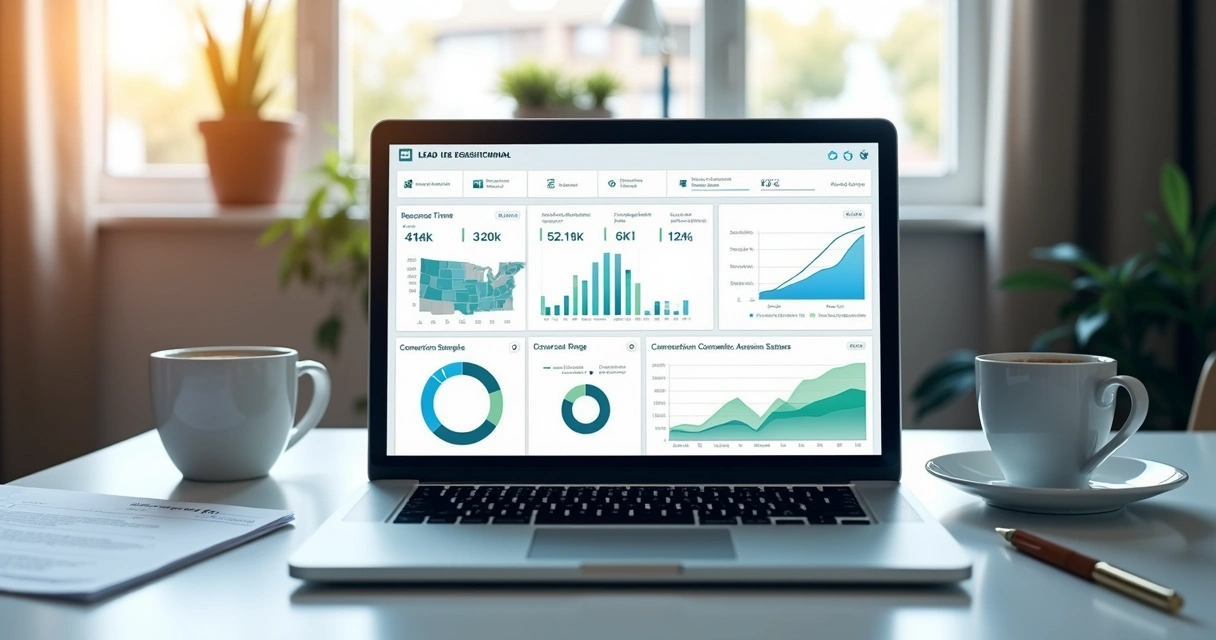
This point is strong in processes with intelligent automation. A platform that tracks conversations and records patterns provides more clarity to the team. I like this approach because it reduces guesswork. For those who want to delve deeper into this topic, it's worth following content from the artificial intelligence field and also materials focused on sales.
How to Turn Data into Sales Action
Collecting is just the first part. The value appears when the company acts based on what it received. I like to link data to three practical decisions.
- Define service priority
- Personalize the sales approach
- Route the lead to a human at the right time
For example, a lead with high urgency, compatible budget, and a clear pain point should not wait. A curious contact, but without a deadline, can continue in nurturing. This avoids wasting the team's energy.
When the company tracks these criteria in reports, it starts to adjust the process better. I recommend also reading this content on what to analyze in lead qualification reports, as it helps understand if the collected data is indeed leading to conversion.
Conclusion
If I had to summarize, I would say this: The best data for qualification is what shows profile, need, buying stage, and closing capacity. It's not a competition to see who collects more fields. It's a decision about what helps sell better.
The right data allows for faster responses, better prioritization, and more contextual conversations.
I believe this is the path for companies that receive messages and don't want to lose opportunities due to delay or lack of screening. If you want to see this working in practice, it's worth getting to know Lead2Go and scheduling a call to understand how the platform can respond, qualify, and convert more leads for your business.
Frequently Asked Questions
What are lead qualification data?
This is information I collect to understand if a contact has the profile, interest, and real chance of purchasing. It helps separate leads who are more ready from those who still need more time or information.
What data is most important to collect?
I would prioritize profile data, such as job title and company; context data, such as problem and deadline; and purchase data, such as budget and decision-making power. I also like to observe behavior, such as response speed and interest in proposals.
How to collect lead data correctly?
I would do it gradually, with short questions related to the conversation context. The ideal is to start with the lead's need and move to more sensitive details later. In channels like WhatsApp, an AI agent can conduct this naturally.
Why is qualifying leads important?
Because not every contact is at the same stage of the buying process. When I qualify, I can give priority attention to those with a higher chance of closing, personalize the approach, and reduce wasted time with leads outside the target profile.
How to use data to improve leads?
I use data to segment contacts, adjust messages, prioritize service, and fix funnel gaps. With reports and continuous monitoring, the company understands which questions generate better responses and which profiles convert more.