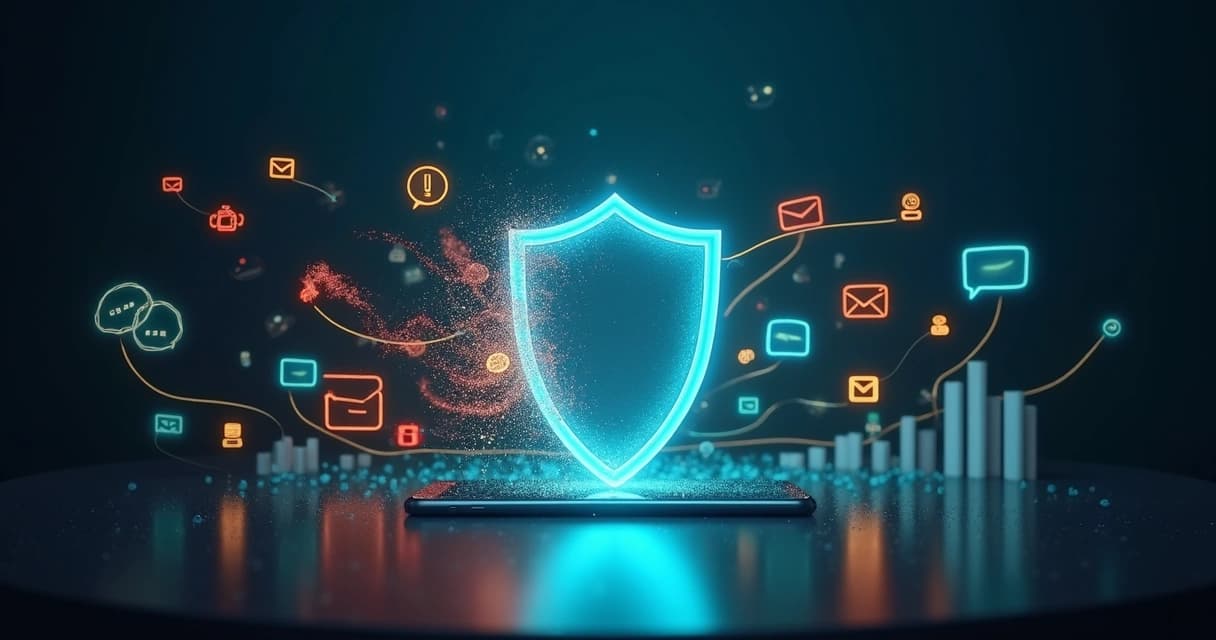

I've seen many companies miss good opportunities right from the first contact. Not due to a lack of lead interest, but because the message seemed generic, invasive, or suspicious. When this happens, what should have been a promising start turns into silence, blocking, or being marked as spam.
Automating initial contact isn't the problem. The problem is automating without context, without permission, and without care for the person's experience.
In practice, avoiding spam requires more than just a tool. I think about three points: lead origin, message quality, and timing. When these elements are aligned, automation stops looking like mass sending and starts functioning as helpful service. This is precisely the logic that platforms like Lead2Go apply when responding, qualifying, and forwarding contacts with natural conversation, on the channel the customer already prefers.
Why Automatic Messages Become Spam
Spam isn't always just mass sending. Often, it's any message that arrives without clear context, without perceived authorization, or with the appearance of a scam. This weighs even more in Brazil. Official data on spam complaints in Brazil shows how abuses affect reputation and delivery. When a company insists on bad approaches, it harms not only a campaign. It harms its own domain, number, and brand trust.
I also observe a human factor. People are more distrustful. A survey on scam attempts via email among Brazilians showed that 69% of respondents aged 16 or older reported this type of approach. So, if your automation sounds vague or rushed, the lead might think it's fraud.
Trust comes before conversion.
I like to think of the first contact as an introduction. If the person doesn't understand who is speaking, why they are receiving the message, and what the next step is, the chance of rejection increases significantly.
The Errors That Cause the Most Rejection
In my experience, some errors appear frequently in companies of all sizes. And they almost always seem small at first.
Buying lists or importing contacts without clear consent.
Sending the same message to everyone, without reference to the origin of interest.
Approaching at bad times, with too rapid insistence.
Using shortened links, vague language, or exaggerated promises.
Not making it clear how the person can stop receiving contact.
If the lead doesn't recognize the origin of the conversation within a few seconds, the automation starts at a disadvantage.
I've seen companies with good offers have weak results just because they opened contact with "Hello, we have an opportunity for you." This says nothing. It sounds like a scam message. A simple phrase like "You requested information on our website yesterday about a quote" changes everything.
How to Structure Automation That Doesn't Seem Like Spam
For me, good automation starts before the message. It starts with lead capture. If the origin is clean and consent is registered, half the battle is won.
Then, I recommend following this order:
Identify the origin of the contact.
Clearly introduce the company.
Explain the reason for the message.
Guide towards a simple response.
Offer an easy opt-out or human support.
This logic works well in email, WhatsApp, and other channels. In the case of WhatsApp, for example, I see a lot of value in integrating context, history, and speed. Those who want to understand this point better can see this content on integrating AI into WhatsApp customer service.
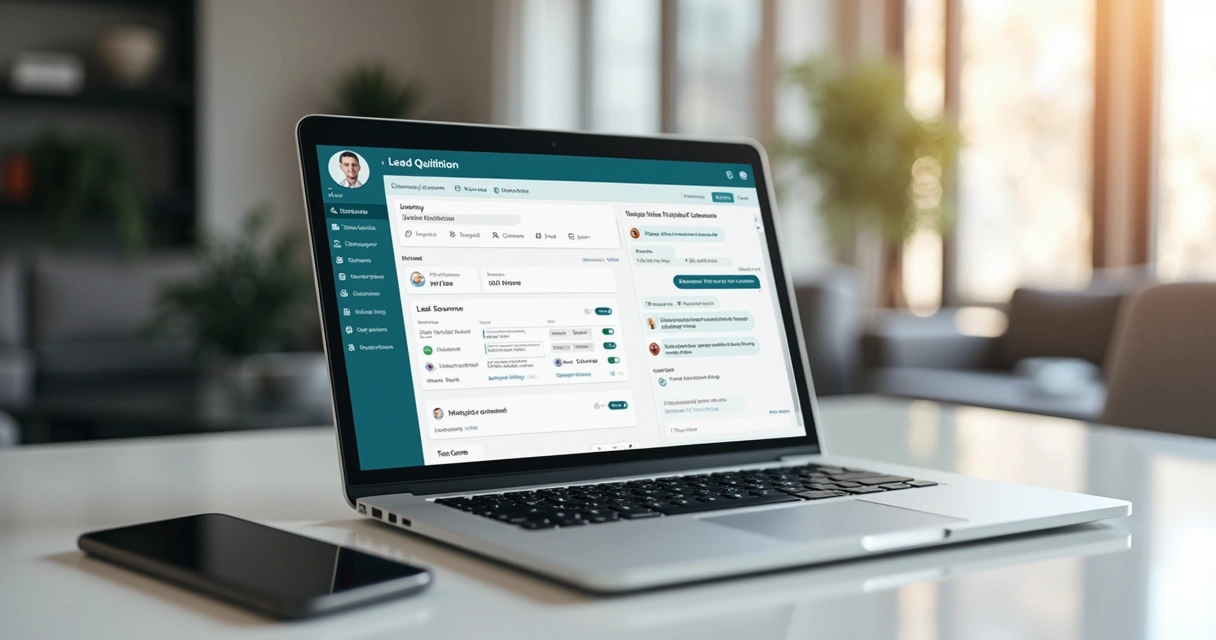
At Lead2Go, this process makes sense because the agent can be trained in the business, respond personally, and transfer to a human when necessary. This reduces noise and avoids that feeling of a stuck conversation, which usually drives away good leads.
Real Personalization, Not Just the Name
Many people think personalization means putting the lead's first name at the beginning of the message. I disagree. It helps, but it's far from enough.
Real personalization is using context, intention, and timing to make the message relevant.
If the person downloaded material about sales, the initial approach needs to reflect that. If they requested a quote, the tone should be more direct. If they are in the discovery stage, it's worth taking more time. This type of adjustment improves response rates and reduces rejection.
I like to use at least three pieces of data in automation:
Lead origin.
Demonstrated interest.
Stage in the funnel.
For those who follow commercial operations, it also makes sense to look at content about sales and understand how the message changes with the contact's maturity.
Frequency, Timing, and Tone Make a Difference
I've tested more aggressive flows, and almost always the result was worse. When a company insists too much at the beginning, the lead feels pressured. The brand loses strength.
A healthy flow usually follows some precautions:
Send the first response quickly, preferably within a few minutes of the lead's action.
Avoid long sequences on the same day without a response.
Write clearly, concisely, and professionally.
Don't overuse uppercase, emojis, urgency, and artificial triggers.
If your team wants to reduce delays without falling into the trap of excess, I suggest also reading this material on how to improve lead response time. Responding quickly is good. Pressuring unnecessarily is not.
How to Measure if Your Automation is Healthy
I don't rely solely on open rates or volume sent. To know if automation is on the right track, I look for quality signals, not just reach.
Among the most useful indicators, I track:
Actual response rate.
Blocks or unsubscribes.
Messages marked as unwanted.
Time to first useful interaction.
Rate of transfer to human support or advancement in the funnel.
If automation generates volume but also high rejection, there's an approach problem, not a market problem.
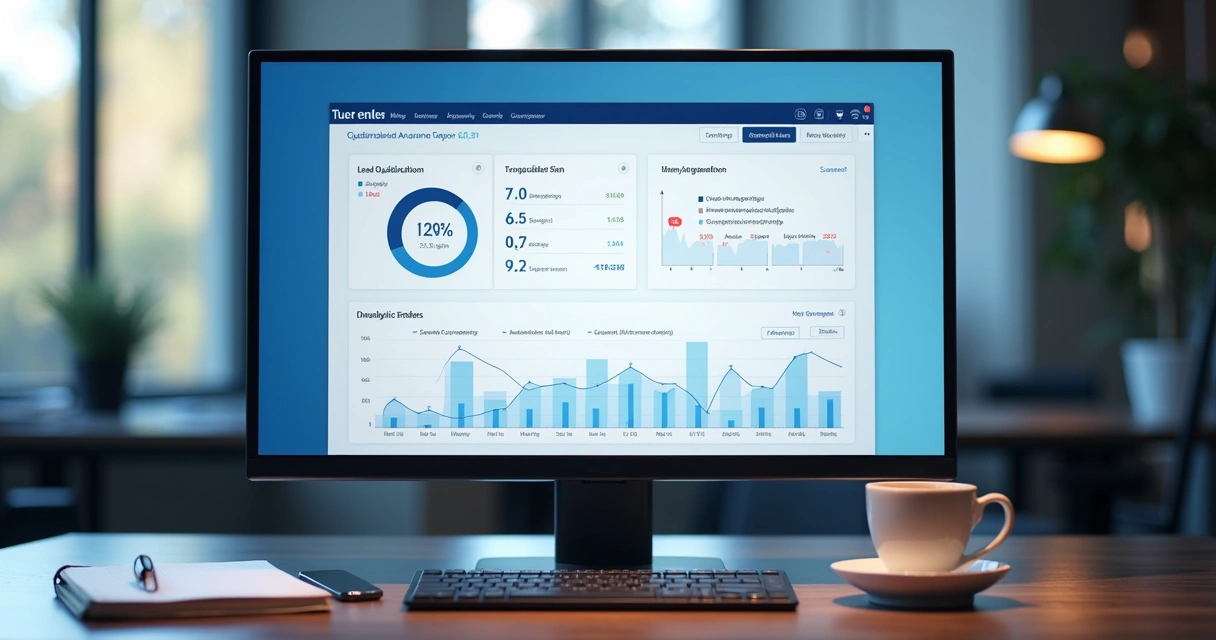
I recommend tracking this frequently. This content on what to analyze in lead qualification reports greatly helps in understanding what is working and what needs adjustment.
A Good Tool Helps, But Criteria Come First
There are several tools on the market promising fast automation. Some even deliver part of that. But, in my view, many fail by treating all leads the same. This is where cold messages, rigid flows, and low trust arise.
I prefer an approach where AI converses as an extension of the team, not as a sending machine. In this regard, Lead2Go stands out because it combines immediate response, automatic qualification, personalization, and human transfer with data transparency and privacy protection. For those who want to delve deeper into this topic, it's worth following the content in the artificial intelligence category.
Conclusion
Avoiding spam when automating initial contact with leads requires respect for the person's context. I see the best automation as one that arrives at the right time, with clear language and an honest objective. No tricks. No excess. Without seeming invasive.
When a company knows where the lead came from, registers consent, personalizes the message, and measures rejection signals, automation starts to truly help. If you want to put this into practice with more control, natural conversation, and continuous qualification, I suggest getting to know Lead2Go and scheduling a call to see how the platform can respond, qualify, and convert more leads for your business.
Frequently Asked Questions
What is spam in lead automation?
Spam in lead automation is a message sent without clear context, without perceived permission, or with an invasive appearance. This includes mass mailings, generic texts, and insistent contacts. Even a single message can be seen as spam if the person doesn't recognize the origin.
How do I prevent my emails from going to spam?
I recommend using your own list, clearly identifying the sender, writing a clear subject line, avoiding exaggerated promises, and maintaining good domain reputation. It also helps to send only to those who have shown interest and to include a simple way to opt out of communication.
What are the best automation practices?
Best practices include registering consent, segmenting contacts, personalizing by origin and interest, responding quickly, and measuring rejection. It's also good to limit message frequency and allow for human interaction when the lead wants to advance.
How do I personalize messages for leads?
I personalize by using real contact data, such as channel of origin, topic of interest, and stage of the journey. Instead of just inserting the name, I make the message reflect the action the person took. This makes the conversation more natural and reduces the chance of rejection.
Is it worth automating initial contact?
Yes, it's very worthwhile when automation is well configured. It speeds up responses, prevents missed opportunities, and helps qualify leads without stopping the team. With a solution like Lead2Go, this contact can happen with more context, more clarity, and a higher chance of conversion.