
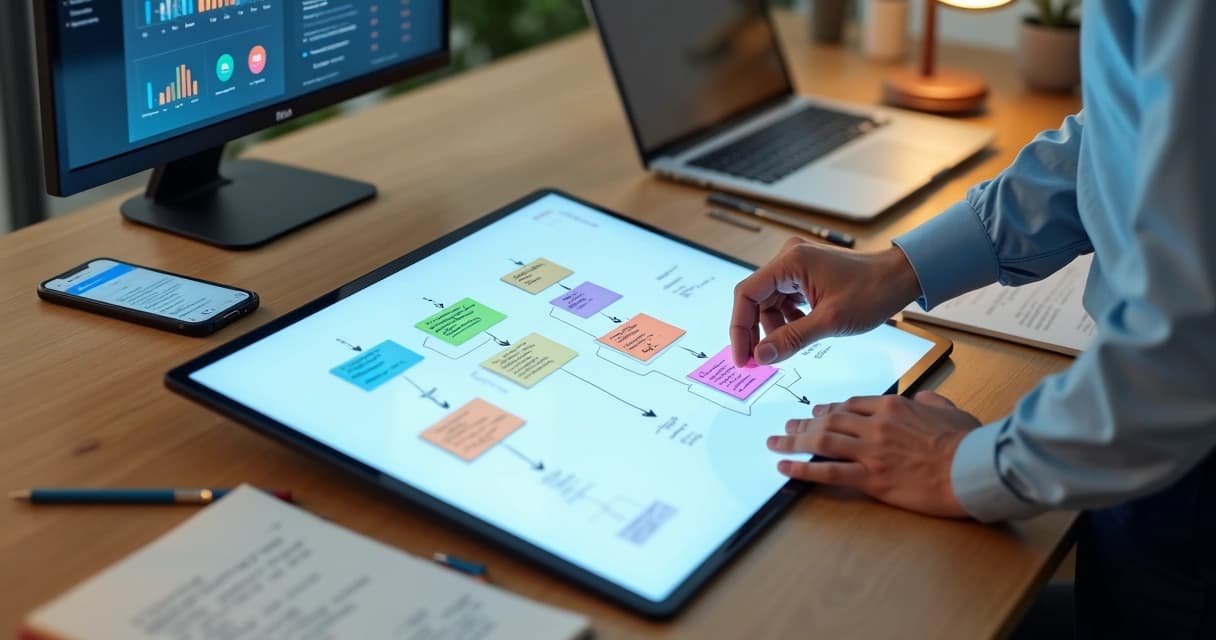

When I started my journey in the world of leads, I quickly realized that asking “I need your data to continue” wasn’t enough. Generic interactions push potential clients away and let opportunities slip by. After years of testing, adapting, and refining flows, I understood that personalization is key. Here, I propose the 10 questions I always use to create genuinely personalized qualification flows that yield concrete results. Especially using an intelligent platform like Lead2Go, achieving this standard is more practical and secure for any business.
Why Do Personalized Questions Make a Difference?
I can attest that companies that treat all leads the same end up selling less. In fact, when we use the right questions, adapted to each persona, we considerably increase conversion chances. I've seen companies double their sales just by adapting their flow. Therefore, I bring you the 10 questions I've used in dozens of projects, focusing on extracting valuable information and establishing a real connection.

1. What is your main objective in contacting us?
I always start here. It seems obvious, but many people skip this step. This question puts the lead at ease to explain their need. Instead of a rigid form, Lead2Go with AI simulates a natural and welcoming dialogue.
Listen before you offer.
When the platform truly understands the lead's objective, any subsequent conversation becomes personalized, and recommendations are spot-on.
2. Are you already using any similar product or service?
In my experience, leads who already use similar solutions tend to be more critical and informed. This question reveals direct competitors and your contact's previous experience. I can adjust my approach on the spot, quickly highlighting Lead2Go's differentiators compared to potentially less complete alternatives.
3. What is the biggest challenge you are facing in your company today?
The word “challenge” generates empathy. I've often heard leads open up about customer service bottlenecks, slow response times, and even staff shortages. In these conversations, it's easy to present the advantage of Lead2Go's 24/7 automated and personalized support, something our competitors rarely sustain without losing quality.
4. Who makes the decisions in your company?
I've wasted a lot of time negotiating with people who don't make decisions. Identifying the decision-maker early on avoids frustration and speeds up the sales process. Asking this subtly, within a humanized flow like Lead2Go's, makes all the difference.
5. What is the deadline for implementation or solution?
The lead's urgency dictates the response urgency. When an interested party says, “I need to solve this this week,” I know I should prioritize and sometimes skip protocol steps. Lead2Go's AI analyzes this data and automatically adjusts the conversation pace.
6. What is the budget available for this solution?
Few companies have the courage to ask this upfront, but when asked at the right time, this question saves time. In my experience, leads who answer clearly have a better fit with the product. If the budget is misaligned, I can already propose personalized alternatives.
7. Have you tried to solve this problem before? How was it?
Here, I discover if the lead has sought out other companies or solutions. I notice where they went wrong (like lack of automation or transparency). It's a great opportunity to show how Lead2Go supports the entire sales funnel with protected data and clear metrics.
8. How do you prefer to be contacted?
Omnichannel is heavily promoted, but in practice, each audience has a preferred channel. Lead2Go respects this choice, whether it's WhatsApp, email, or another. The flow remains natural, without forcing interactions on channels nobody likes.

9. What do you expect from the contracted solution?
I've learned that unmet expectations kill any negotiation. When I know what the lead expects, be it speed, tangible results, human support, clear dashboards, I adjust the scope and show how Lead2Go delivers exactly that.
10. How do you prefer to proceed after this conversation?
I'm a fan of finishing by asking what next step the lead wants to take. It fosters autonomy and makes the contact feel comfortable. This approach, reinforced by the Lead2Go flow, allows for a handover to human support only when the contact wishes, always maintaining transparency.
How to Combine Everything into a Practical Flow?
In practice, I create dynamic conversational flows. I use these questions in the order that makes sense for each type of lead. This is why rigid platforms frustrate me; but with Lead2Go, I can personalize from the first contact, quickly analyzing responses, adjusting tone, channel, and interaction pace. If you want to dive deeper, I recommend the practical guide on AI in WhatsApp customer service.
How to Avoid Common Pitfalls in Questions?
I've seen teams repeat questions, collect irrelevant data, or approach leads with artificial formality. This is tiring and off-putting. The secret is to be direct and practical, yet flexible, creating different paths to be followed according to the lead's answers. At this point, Lead2Go's intelligent automation surpasses competitors where humans waste time recording data already provided.
I mention this because, although there are alternatives on the market, platforms where the team can track all stages automatically and still intervene when they want, without losing history, are rare.
Where to Find More Ideas for Questions and Flows?
I usually consult reports and talk to sales teams. By bringing concrete data, as taught in this article on what to analyze in lead qualification reports, I always adjust my flows. And, of course, I follow sales industry trends and the use of artificial intelligence in customer service so as not to fall behind.
Conclusion
If I had to summarize my dozens of experiences, I would say: personalizing the conversation with the right questions is what truly differentiates those who convert from those who just generate opinions. Traditional tools stop where Lead2Go's AI advances: full energy 24/7, natural language, fluid integration, and protected data. Don't lose leads due to formality, forgetfulness, or slow service.
Schedule a 30-minute call and see, live, how Lead2Go can respond, qualify, and convert more leads for your business.
Frequently Asked Questions About Qualification Flows
What is a qualification flow?
A qualification flow is the structured set of questions and answers used during lead interaction to analyze, filter, and direct contacts who have the best fit with the product or service. With it, the team can prioritize the most promising opportunities and avoid wasting time on poorly aligned leads.
How to create personalized flows?
In my experience, personalization begins with a deep understanding of the audience. First, it's necessary to understand each lead's pain points, desires, and profile, creating specific questions and adapting the tone of the approach. Platforms like Lead2Go allow for quick setup and adjustment of flows, testing new paths based on lead responses and sales report data analysis.
What questions to use for qualification?
It depends on your business objectives, but I always recommend questions that identify the objective, main challenge, budget, previous experience, and preferred channel. The 10 questions presented in this article are a reliable basis for creating less generic and more productive conversations.
Why personalize qualification flows?
The more personalized the flow, the higher the chance of converting leads into real customers, as each contact feels heard and not just pushed into a standard funnel. Furthermore, the sales team receives truly ready leads, saving time and improving results.
When should I update my qualification flow?
Whenever you notice changes in lead profiles, audience behavior, or sales results. I use detailed reports, like those integrated with Lead2Go, to adjust questions, remove roadblocks, or create new paths in the flow. Constant updating ensures maximum market relevance.